
Mallorytown
A village shaped by heritage, glass, and the river beyond
Mallorytown sits just inland from the St. Lawrence, where the river still shapes how the village is experienced. Loyalist beginnings, early industry, local memory, and a long relationship with the shoreline give it a layered sense of place. Stone, trees, open sky, and quiet roads define its character more than energy or scale. It feels settled, spacious, and closely tied to the land and water around it.
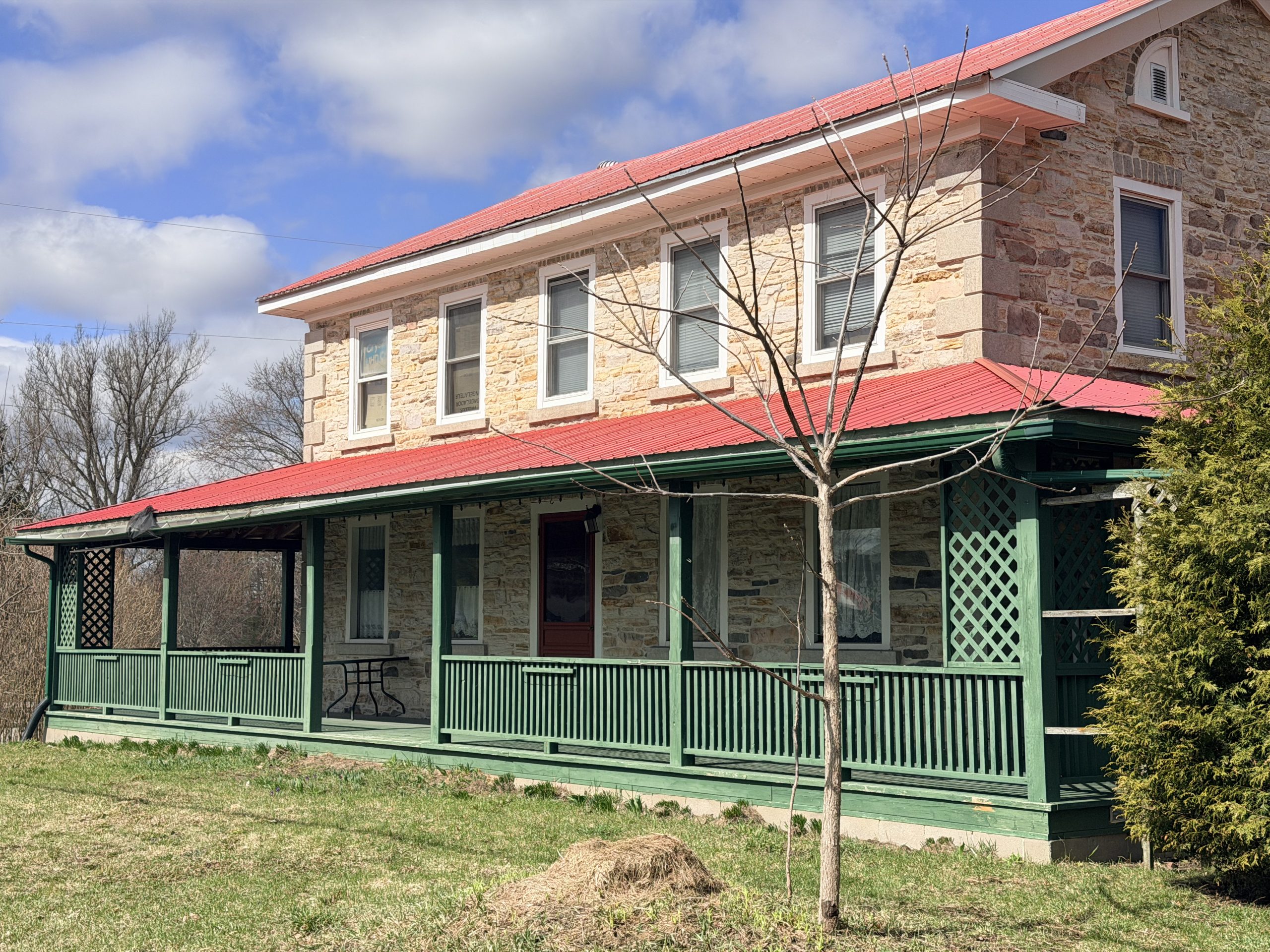
The Gibson House, former tavern.
Highlights
- Canada’s first glassworks began here in 1839.
- The Mallory Coach House keeps local heritage visible.
- Mallorytown Landing connects the village to the St. Lawrence and offers access to Thousand Islands National Park.
- The Great Lakes Waterfront Trail adds a scenic walking and cycling layer.
- Jones Creek Trail adds forest, wetland, and lookout landscapes just beyond the village.
- Brown’s Bay adds another shoreline layer, with beach, picnic, and day-use access along the Parkway.
- The village feels quiet, rooted, and closely tied to both land and river.
- It is also home to ArBru, Canada’s first solar-powered brewpub.
Why Mallorytown stands out
Mallorytown has more than one story to tell. Settlement, early glassmaking, the river corridor, and everyday village life have all shaped its character. Its appeal comes from depth rather than display. History reaches outward to the St. Lawrence, inward through family memory, and across generations through the buildings, landscapes, and stories that remain.
As the largest settlement in Front of Yonge Township, Mallorytown developed alongside the river and the routes that helped define this part of Ontario. It carries the feel of a place long inhabited, not designed for display.
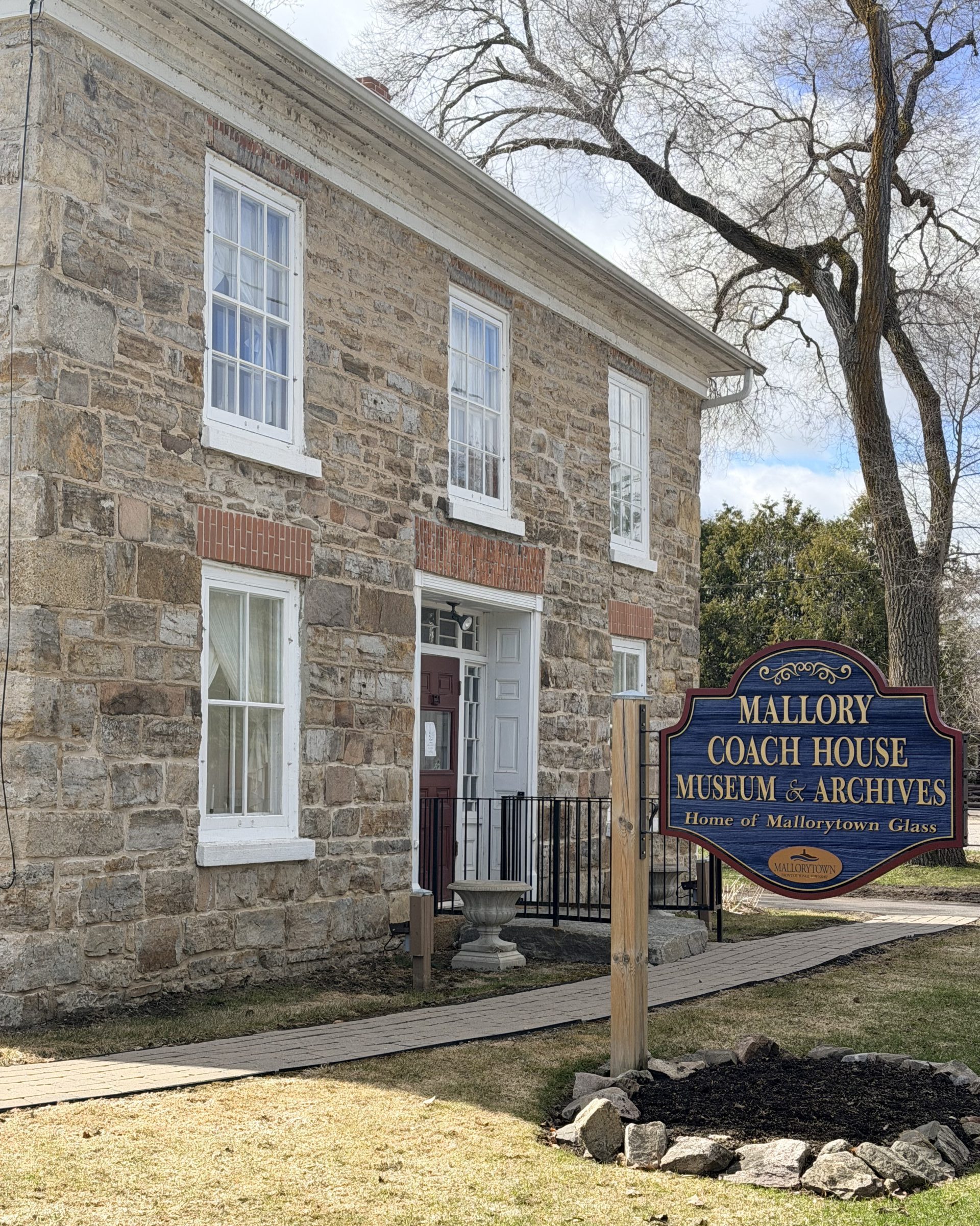
Mallory Coach House Museum, Mallorytown, Ont.
History and heritage
Mallorytown’s roots begin with Loyalist settlement, but one of its most remarkable distinctions is its connection to Canada’s first glassworks. Established in 1839, the glassworks became a defining chapter in the village’s story and remains central to its regional heritage.
That history is brought into focus at the Mallory Coach House, where Mallorytown’s glassmaking legacy is given context through local interpretation, preserved objects, and the stories that connect the village to one of Canada’s earliest industrial chapters. Mallorytown’s proximity to the St. Lawrence also connects it to the river’s military and transportation history, including the movement of goods and people through this corridor in earlier centuries.
One of Mallorytown’s most enduring local stories is that Frank James, brother of Jesse James, once hid out in the Gibson house. Whether visitors come for documented history or local lore, the story adds another layer to the village’s sense of place.
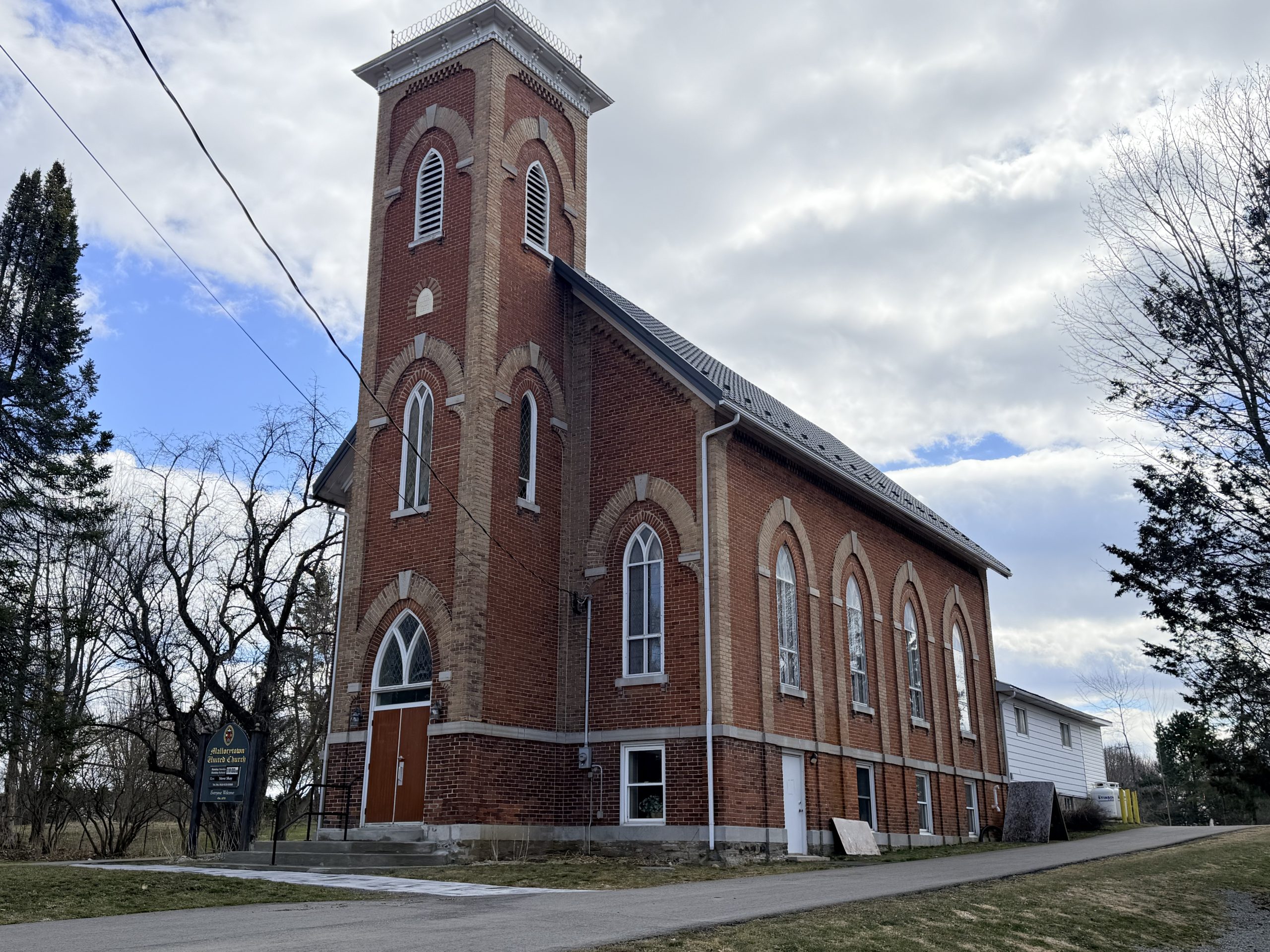
Mallorytown United Church
Culture and village life
Mallorytown’s character comes through in everyday ways: heritage spaces, recreation grounds, parks, community facilities, and the familiar patterns of village life.
There is a calm civic quality here. It’s less about browsing and more about observation: the shape of the land, the spacing of homes, older architecture, the stone Coach House, the gradual movement toward the river, and the sense that much of what matters here reveals itself slowly.
Mallorytown’s present-day character continues to evolve through ArBru Brewery, Canada’s first solar-powered brewpub. Owned by Phil Audet, ArBru adds a contemporary layer of creativity, innovation, and local hospitality to the village.
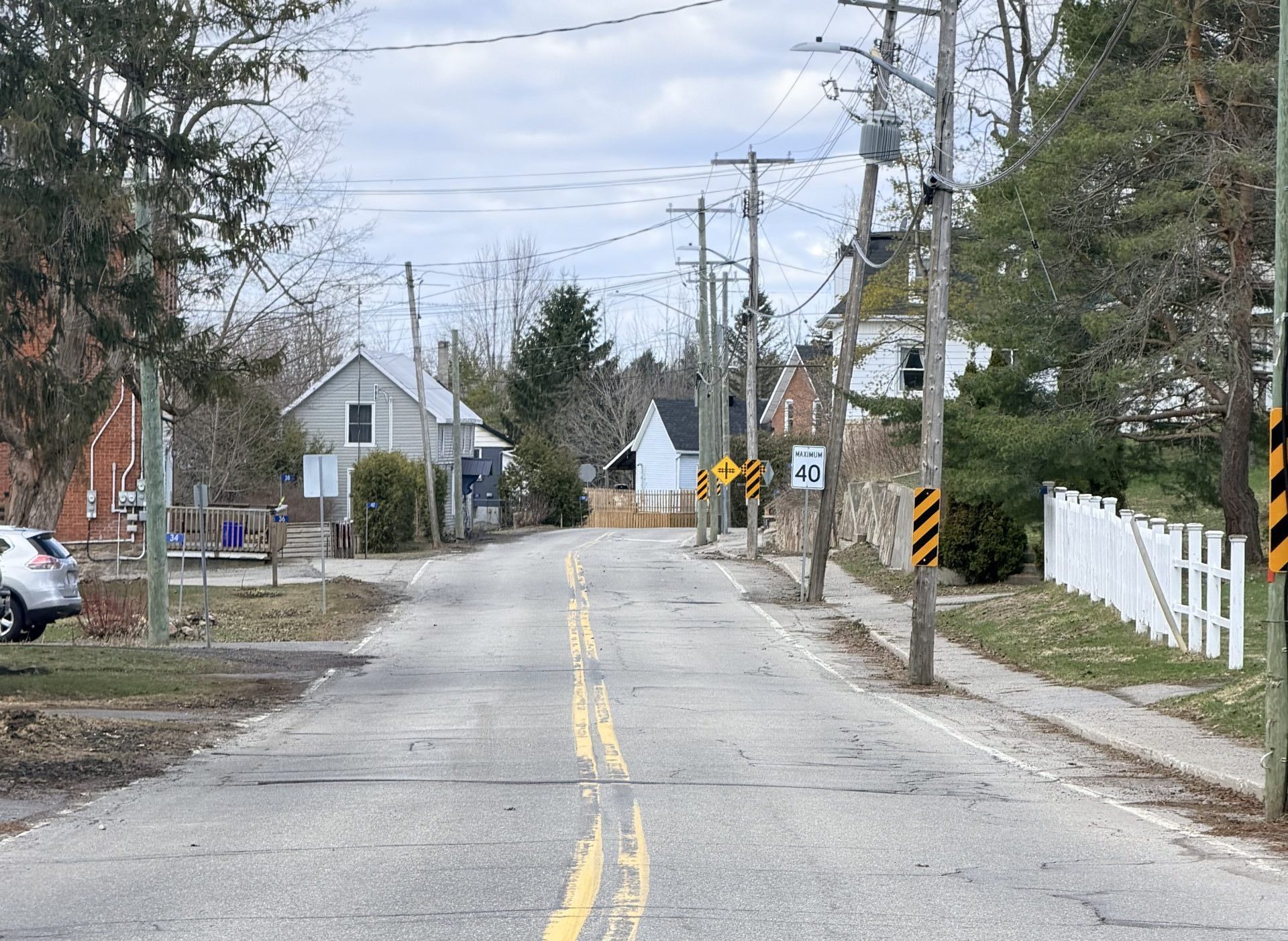
Mallorytown, Ont.
How people move through the village
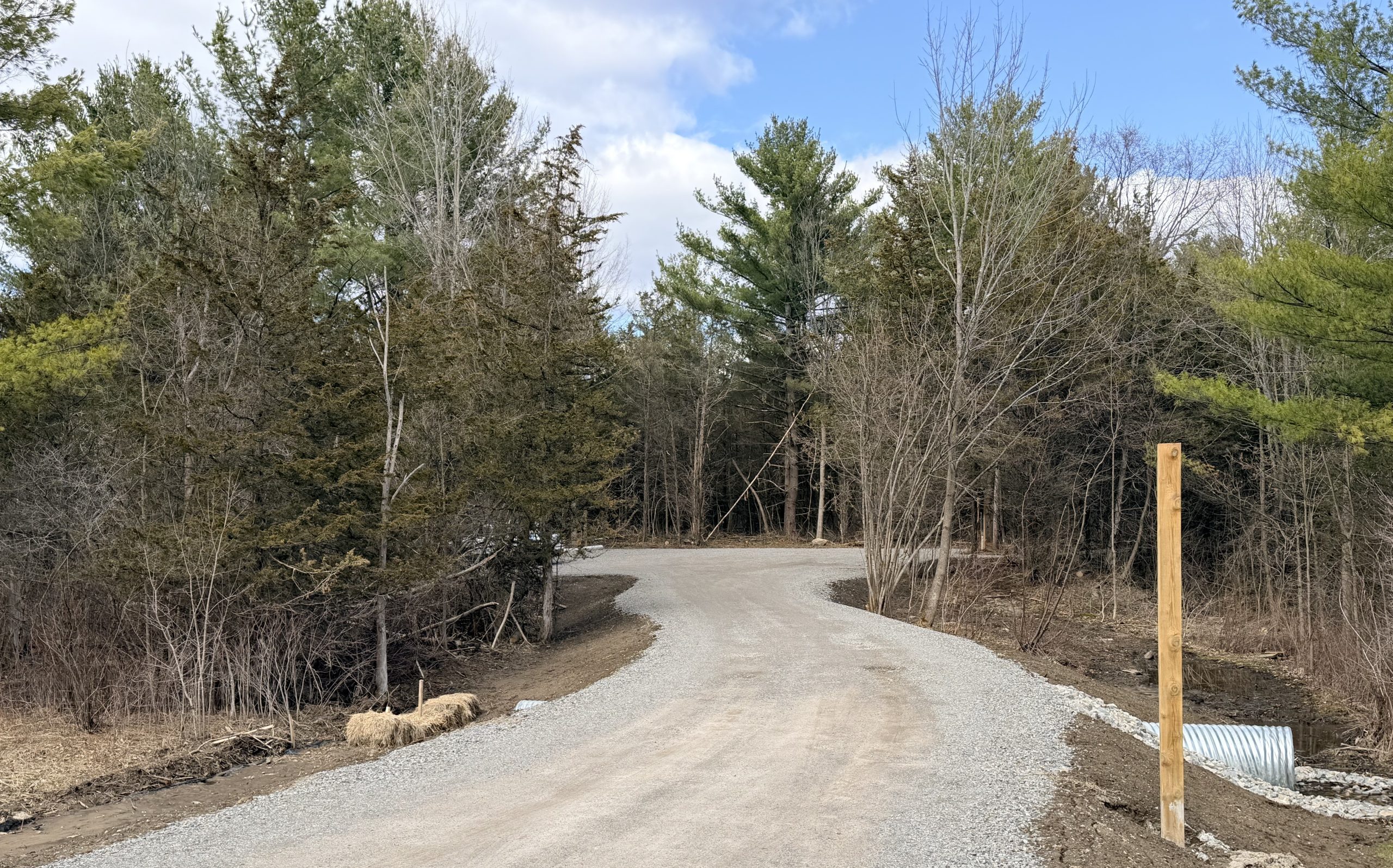
The feel of Mallorytown
Mallorytown’s setting gives the village a larger context. It sits within the Frontenac Arch Biosphere, a UNESCO-designated region where the Canadian Shield, St. Lawrence River, and Thousand Islands landscapes meet.
That ecological connection adds another layer to the village’s identity. Mallorytown is not only tied to Loyalist settlement, early industry, and river access. It is also part of one of South Eastern Ontario’s most significant natural corridors.
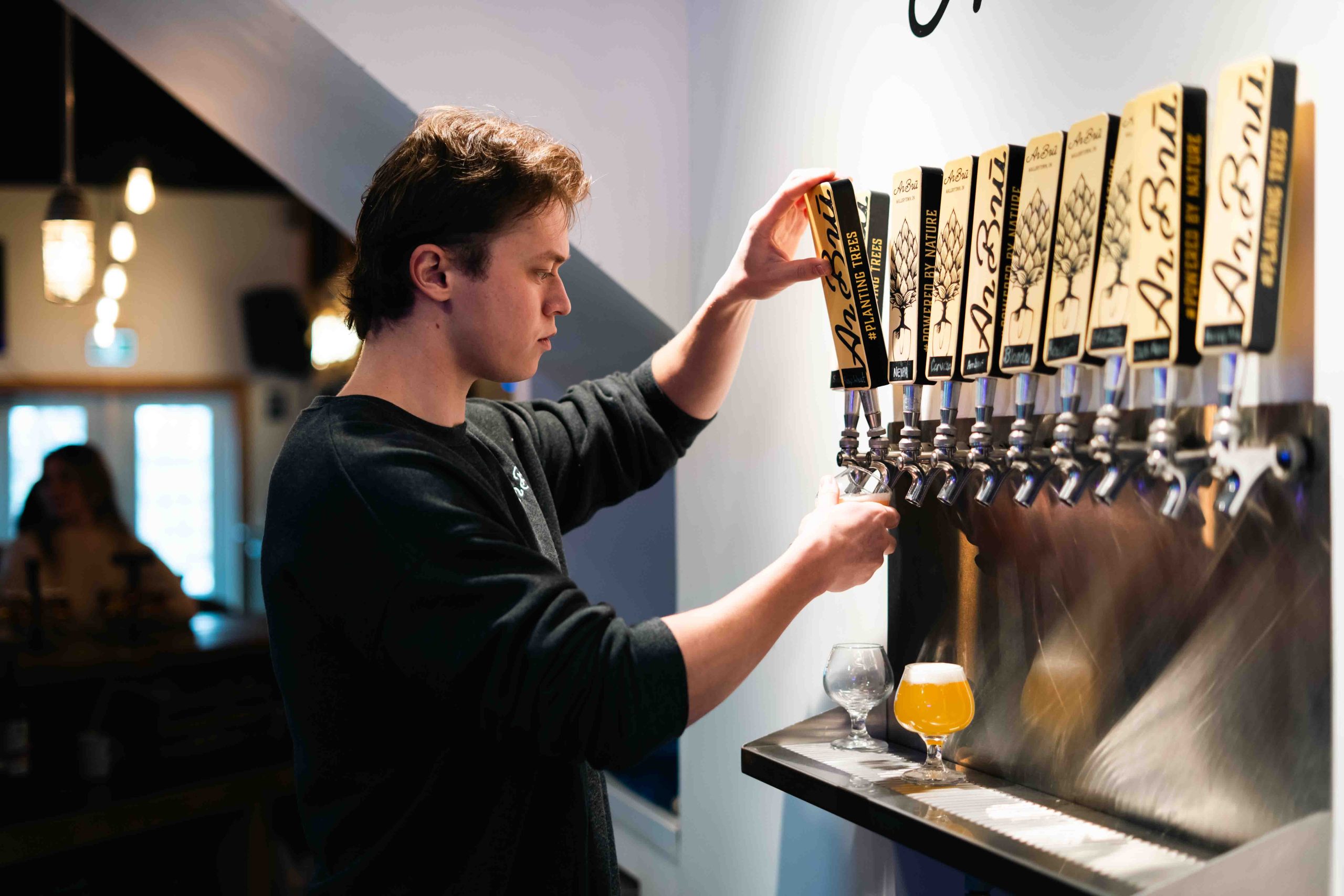
ArBru Solar Brewery, Mallorytown, Ont.
A sample of a visit
Begin in the village, where Mallorytown’s history gives the visit its foundation. The Coach House, the glassworks story, and the older homes help establish the village before the route widens toward the river.
From there, continue to Mallorytown Landing, a mainland day-use area within Thousand Islands National Park. The experience shifts here from village history to shoreline, trails, lookout points, and protected landscape. Brown’s Bay can also be added as a second stop along the Parkway, with beach, picnic, and day-use space close to the water.
Together, these places give Mallorytown its range: village heritage, river access, national park landscape, and room to move between them.
Best base towns for exploring Mallorytown
Brockville and Maitland make a strong base for exploring Mallorytown, especially for travellers approaching from the east. Brockville adds waterfront history, architecture, restaurants, and an easy connection to the St. Lawrence corridor.
Gananoque works well from the west, especially for travellers building a broader Thousand Islands stay around boat tours, shoreline villages, and island scenery.
From either direction, Mallorytown fits naturally into a river itinerary, with easy access to Thousand Islands National Park, Brown’s Bay, and the Parkway.
Closing line
Mallorytown’s strength is its range: village history, glassmaking heritage, river access, national park landscape, and contemporary local life. It is a small place with more to hold than first appears.
This page will continue to evolve as more stories are told.