
Gananoque
Gananoque is the Riverlands base most clearly shaped by arrival, departure, and the pull of the Thousand Islands.
Opening portrait
The town sits where the Gananoque River meets the St. Lawrence, and the water is part of the daily rhythm: boats at the docks, cruises heading out, paddlers moving through, with the islands always close in the imagination. Travellers come for the river, but also for theatre, shoreline walks, patios, and the pleasure of being in a town that understands arrival and departure. Gananoque is not only a place to leave from. It has its own current.
There is history here in the strongest sense: river history, industrial history, the visible trace of the War of 1812, railway history, and the long habit of people arriving by water, road, and the railway that once connected it more widely. There is also a more contemporary energy here, especially for travellers looking for a vibrant base: river action, theatre, events, food trucks, good restaurant options, and a downtown that still carries the marks of an older working town. It works especially well for those who want their days to open onto the water, but still want a town with energy, culture, history, and enough evening life to feel settled after the day is done.
Why Gananoque works as a base
Gananoque has the practical advantage of location, but its real strength is atmosphere. From this southwestern edge, travellers can follow the river east toward other St. Lawrence towns and villages, or turn inland toward the lake country and heritage villages of Rideau Lakes.
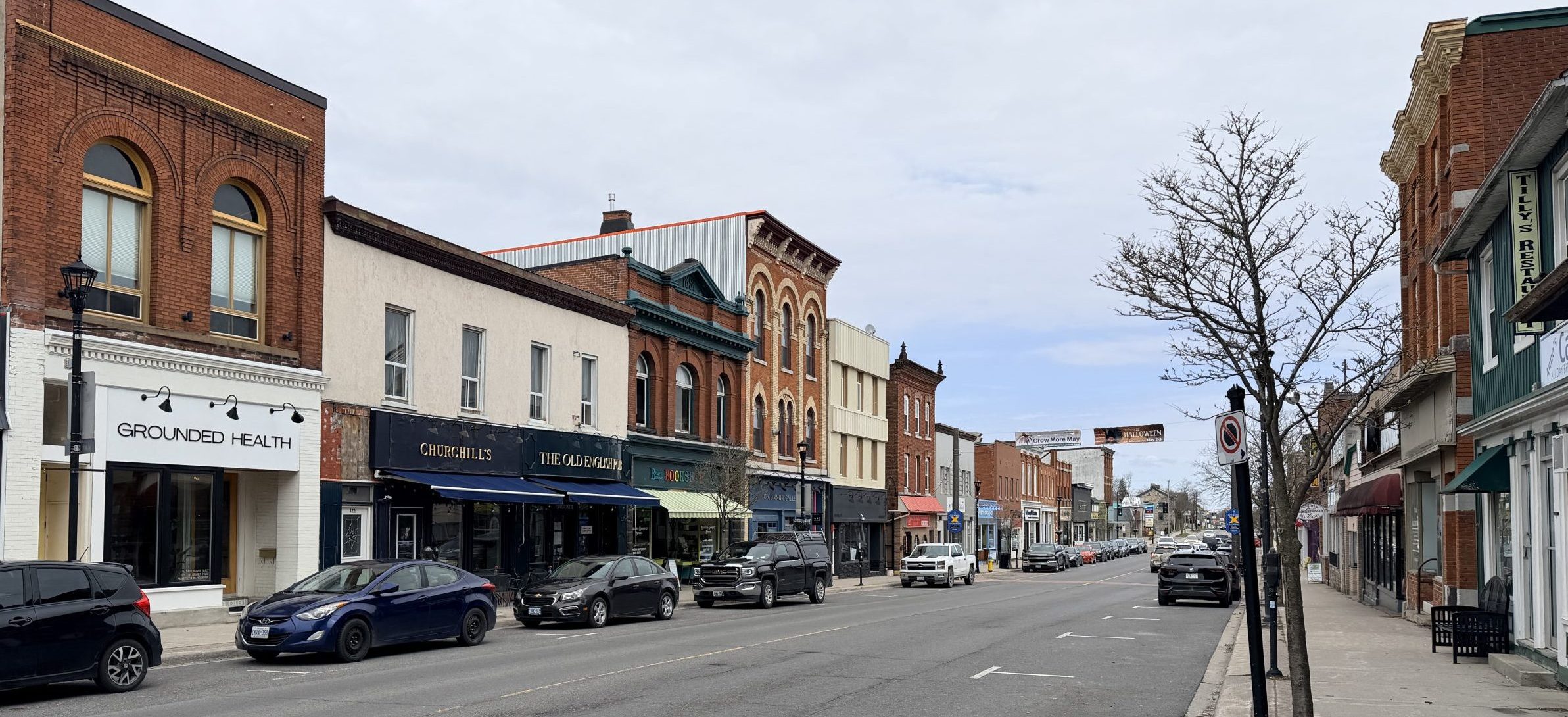
King St. East Gananoque, Ont.
A base should do more than offer a bed between outings. It should give shape to the hours before and after the day’s exploring. Gananoque does that naturally. You can wake near the river, walk toward the water, join a boat tour, take in a matinee or evening performance, visit a museum, linger over dinner, or come back from a countryside drive without feeling that the day has ended too abruptly.
Gananoque gives travellers immediate access to the river, but it also gives them choices. The day can be built around nearby parks and lookouts, or the wider landscape of the Frontenac Arch Biosphere Region, a UNESCO-designated biosphere that links the St. Lawrence shoreline across one of Ontario’s most distinct meeting places of river, shield, forest, and lake country.
A town shaped by two rivers
The name Gananoque is Indigenous in origin, though its exact meaning is uncertain. Among the interpretations often associated with it is “Garden of the Great Spirit.”
The Gananoque River runs into the St. Lawrence here, giving the town two kinds of water at once: the more intimate river moving through it, and the broad, island-filled St. Lawrence opening beyond it. That meeting point gives Gananoque its particular charge. It feels like a town with a centre, but also like a place constantly pointed outward.
That is part of what makes the town distinctive. Gananoque offers small-town scale with world-class, year-round water access on the St. Lawrence River. Its downtown, waterfront, theatre, restaurants, and older river-town architecture sit close together, so the experience feels concentrated rather than scattered.
The older life of Gananoque
Gananoque has a working-town past beneath its visitor-facing present.
By the nineteenth century, the Gananoque River helped power mills and factories, and the town developed around lumbering, milling, manufacturing, transport, and trade. Its position on the St. Lawrence also brought Gananoque into the War of 1812. The town was raided on September 21, 1812, because of its role as a forwarding point for supplies moving along the river, and that story is still marked today through local plaques and sites such as Joel Stone Heritage Park.
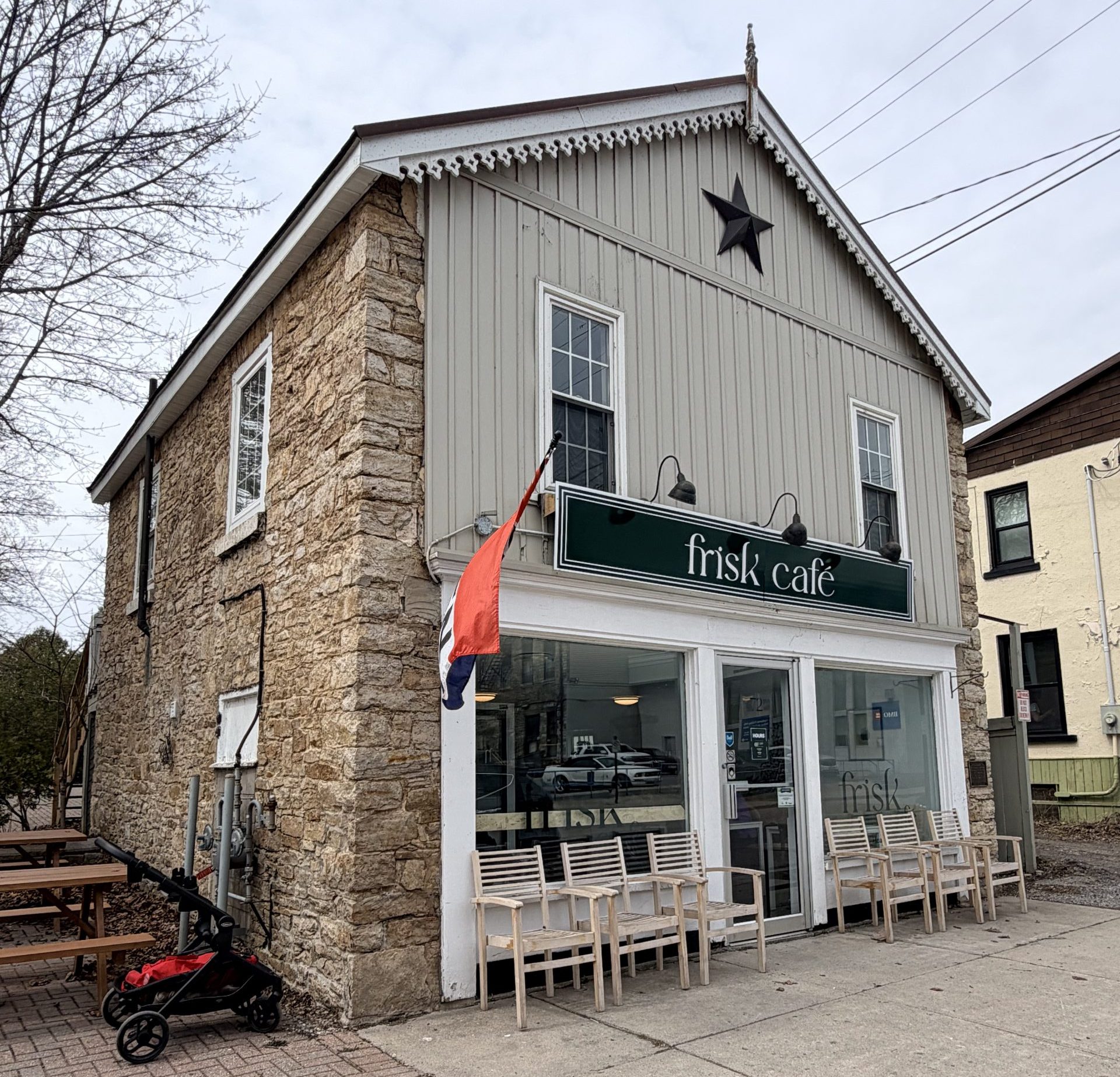
b. 1861 by Thomas B. Anderson, Gananoque, Ont.
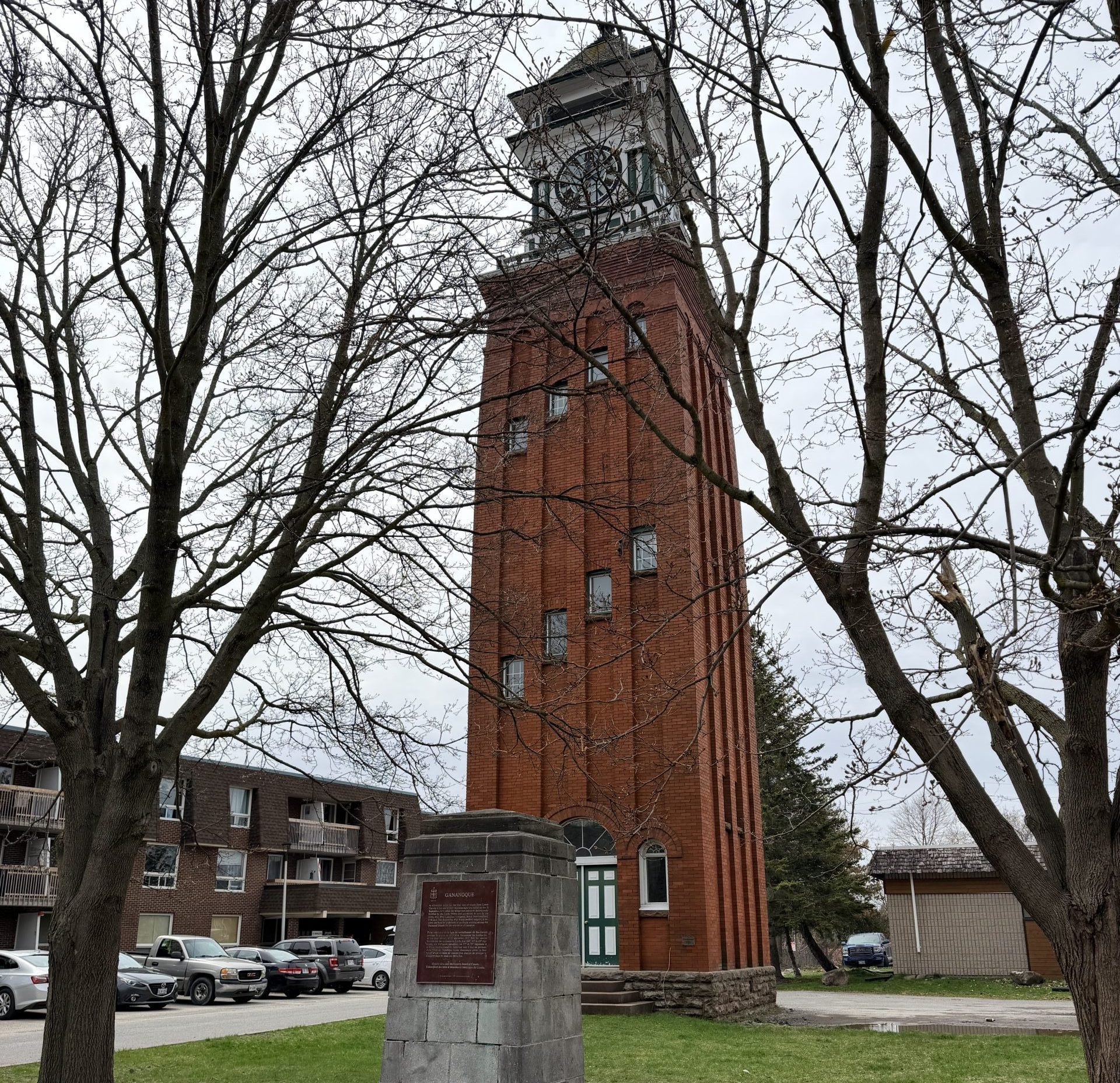
The Gananoque Clock Tower b. 1903
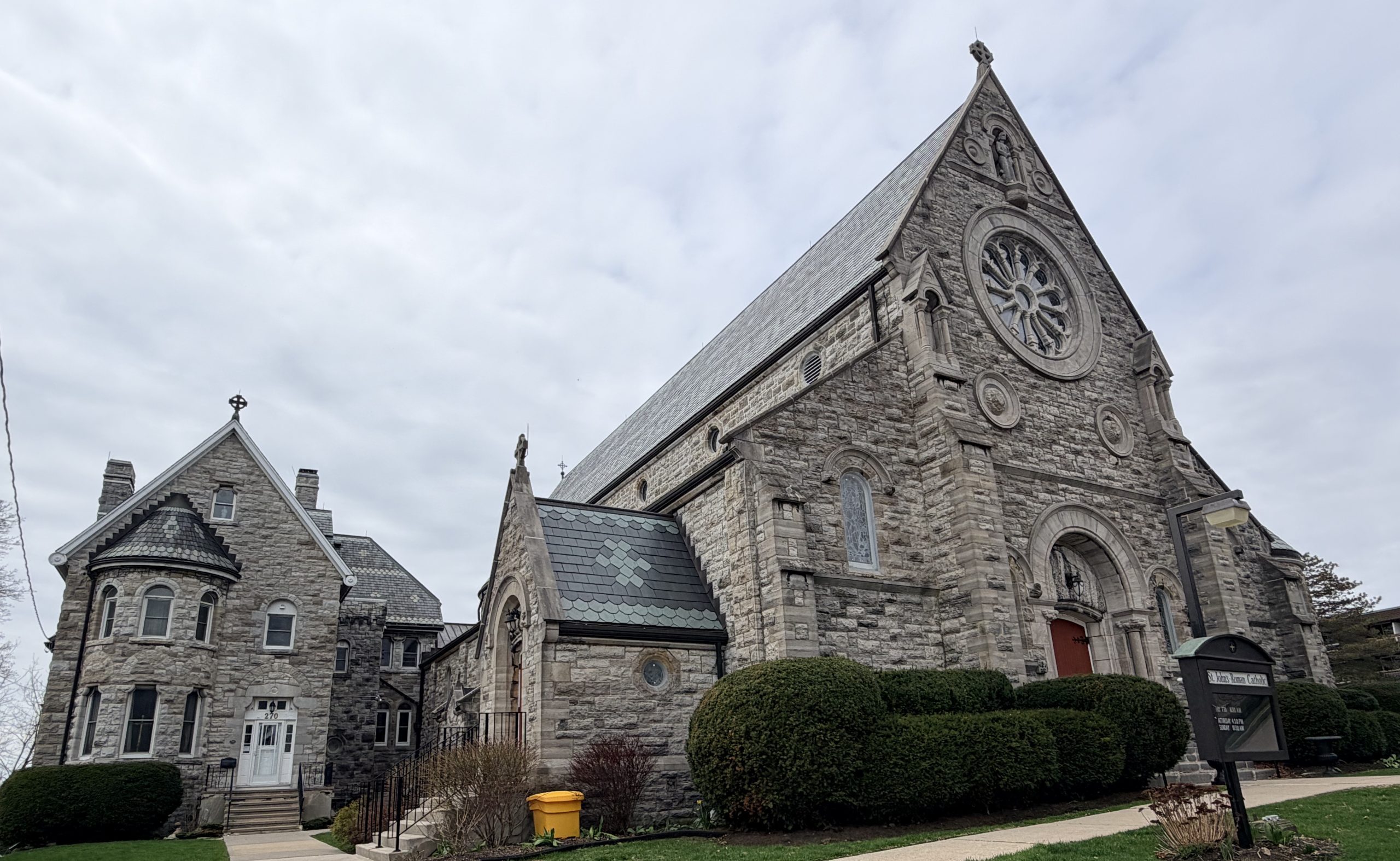
St. Johns Catholic Church, Gananoque, Ont.
You can still read that older life in parts of the town. Gananoque is not a place built only for leisure, even though leisure has become one of its most visible modern roles. It has older bones, visible in the river crossings, older brickwork, and a downtown that still suggests work, commerce, and movement.
That is part of its appeal. Beneath the polished imagery of the Thousand Islands is the texture of a town that existed long before visitors came looking for cruises and castle views.
Theatre, water, and the evening return
One of Gananoque’s strongest advantages as a base is that the day does not have to end when the boat comes back.
The renowned Thousand Islands Playhouse gives the town a cultural centre of gravity that many small river towns do not have. Live theatre on the St. Lawrence changes the way Gananoque feels after dark, but it is not the only reason to stay. Wine bars, pubs, and late-night restaurants give the evening more than one shape.
That matters for the Riverlands because travellers want to get the most out of their day. In Gananoque, the evening does not feel like leftover time. It can become part of the reason for staying: a performance by the river, a glass of wine, a late table, or an event that keeps the town from feeling finished once the afternoon crowds have gone.
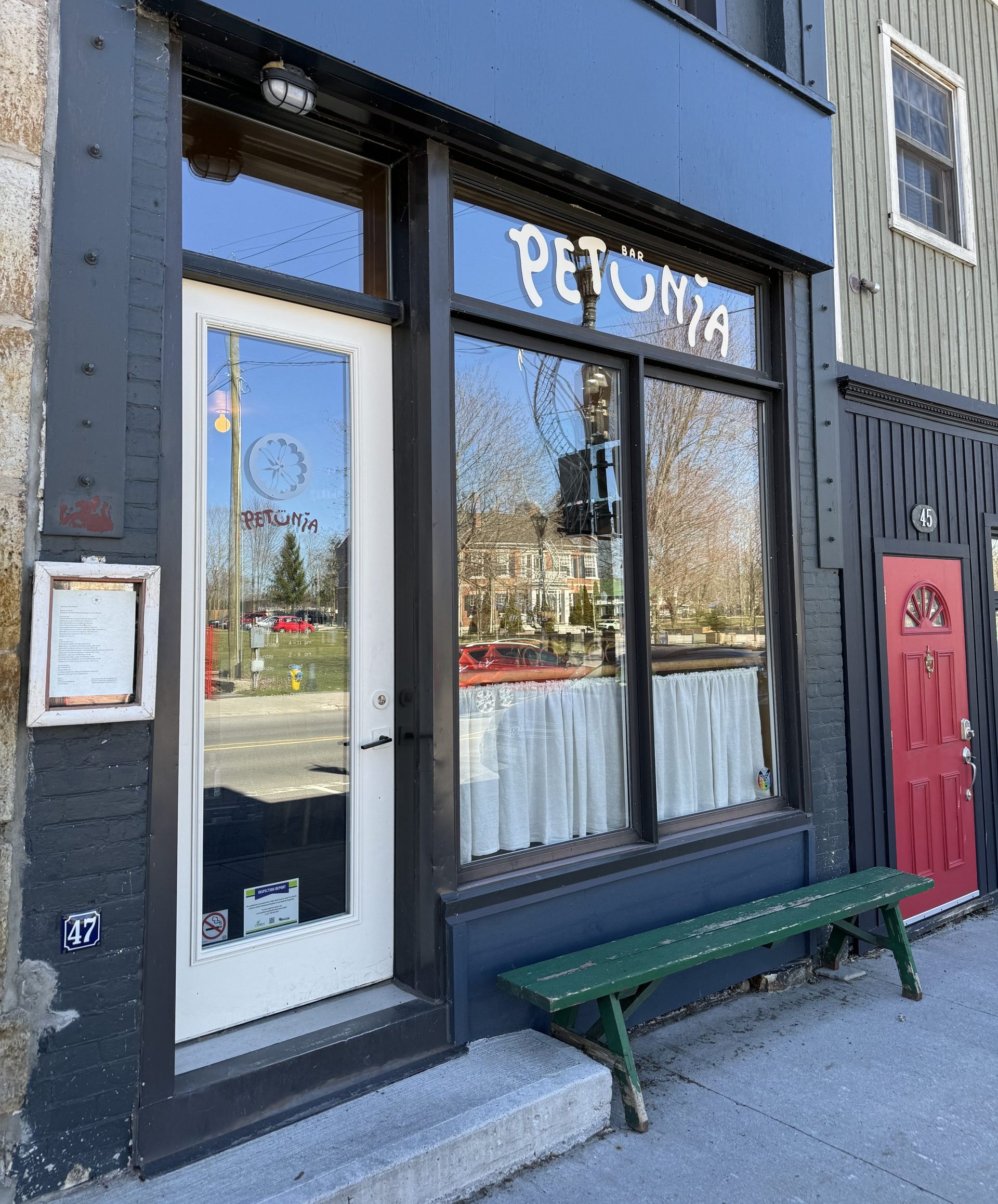
Bar Petunia, Gananoque, Ont.
More than the Gateway to the 1000 Islands
Gananoque is known as the Gateway to the 1000 Islands, and that identity is well earned. For many travellers, this is the reason they come. But the town becomes more interesting when it is not reduced to a single way of seeing the islands.
Boat tours remain the familiar entry point, but Gananoque offers other perspectives. Travellers can get closer to the channels and shoreline with 1000 Islands Kayaking, see the islands and castles from above with 1000 Islands Helicopter Tours, or use the town as an easy access point for cycling the Great Lakes Waterfront Trail.
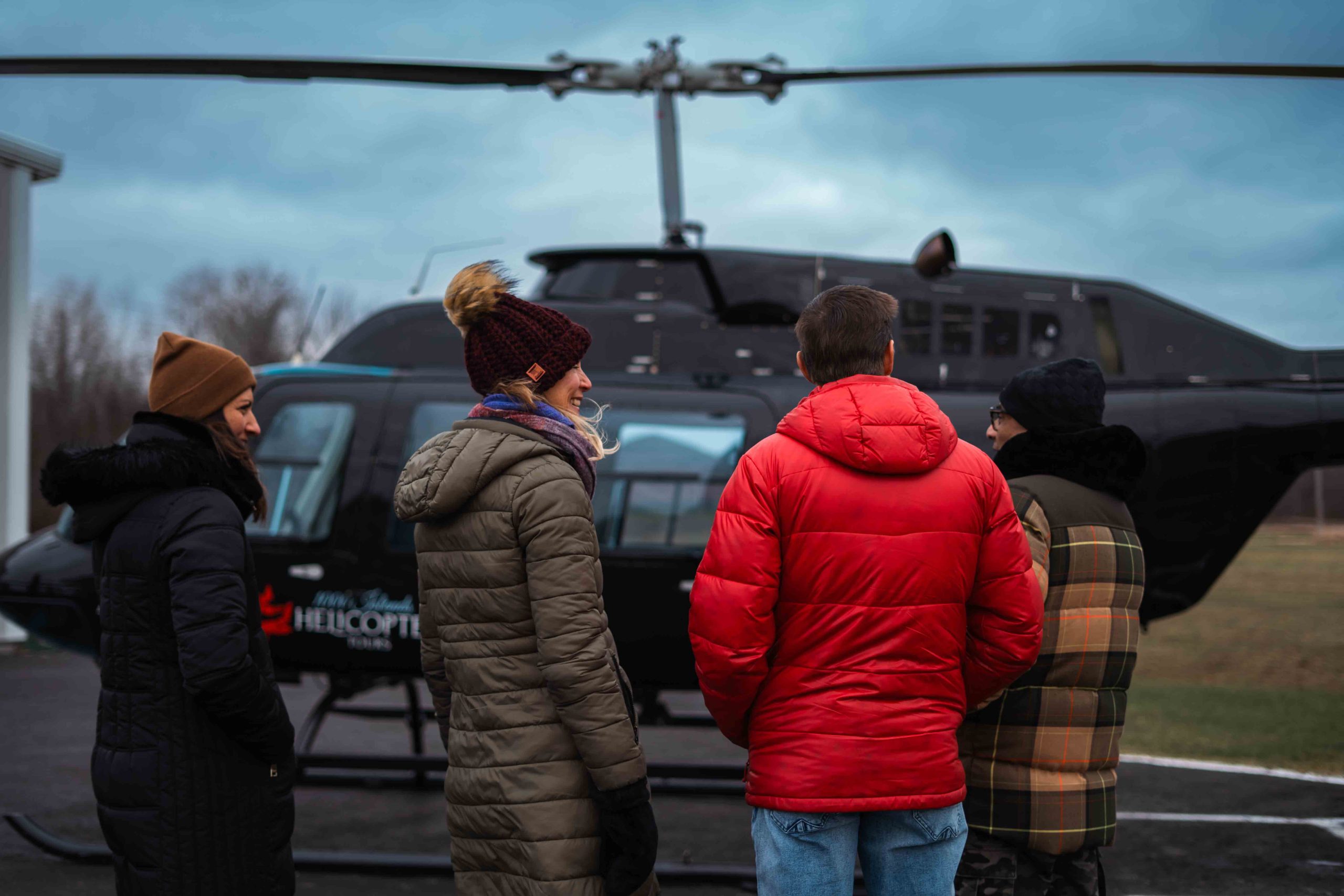
1000 Islands Helicopter Tours, Gananoque Ont.
How Gananoque fits into a broader Riverlands stay
Gananoque works best as a base for travellers who want the St. Lawrence at the centre of their trip, with room to explore beyond it.
From Gananoque’s position on the southwestern edge of the Riverlands, the trip can move east toward Rockport, Mallorytown, Brockville, and Maitland, where the St. Lawrence story continues through river villages, heritage architecture, riverfront walks, museums, and a different kind of historic townscape. Inland, places such as Lyndhurst, Seeley’s Bay, Delta, and Westport bring the trip into a quieter landscape of bridges, mills, lakes, and village life.
That makes Gananoque especially useful for travellers who want contrast. A stay here can hold a boat tour one day, theatre that evening, a countryside drive the next morning, and a return to the river by dinner.
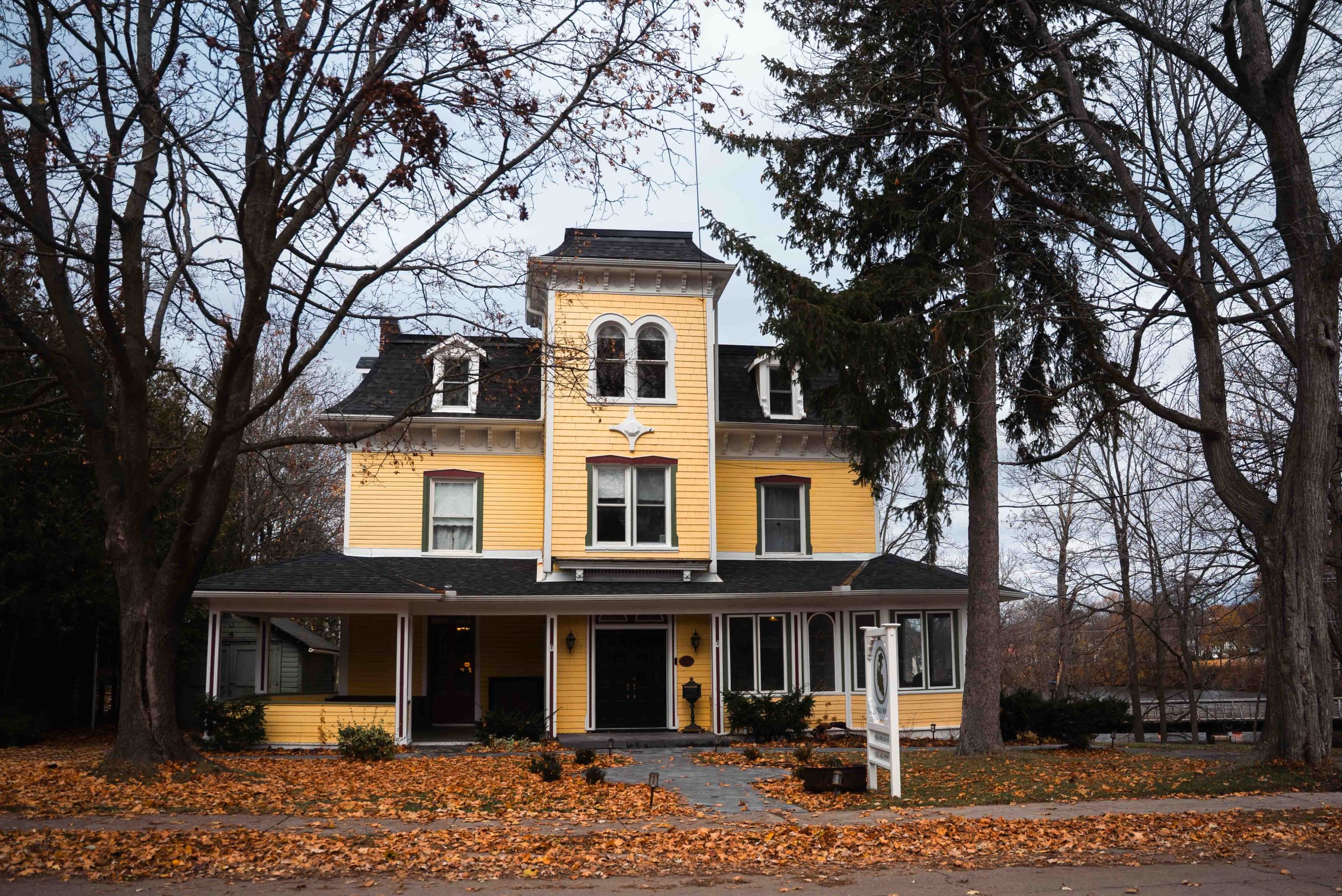
Pangea House, Gananoque Ont.
Why Gananoque matters
Gananoque matters because it gives the Riverlands its St. Lawrence and island-facing base.
This is where the region feels most directly oriented toward the islands. The St. Lawrence is part of how the town functions: boats leaving from the docks, visitors moving between the waterfront and downtown, and days that often begin or end at the river.
That makes Gananoque useful in a very practical way. It gives visitors a lively place to stay while keeping both the river and the inland villages within reach. The town does not need to be quiet to feel rooted. Its energy is part of the point.
For travellers trying to understand the Riverlands, Gananoque is the river side of the story.
This page will continue to evolve as more stories are told.