
Spencerville
Where resilience became part of the story
Spencerville is the kind of place that reminds you how much character can gather around a river crossing. Set along the South Nation River, this village carries its agricultural roots with confidence. Its mill, fairgrounds, and village core still give shape to a place that feels local first, rather than staged for visitors.
For travellers exploring the Riverlands, Spencerville offers a different kind of stop. It is not about density or bustle. It is about heritage that still feels woven into everyday life. Come for the mill, the fair, and the slower rhythm of a village that has long been tied to the surrounding countryside.
Spencerville works especially well for travellers who enjoy places with a strong sense of local continuity, where history, rural identity, and community tradition still feel visible.
Highlights
-
The historic Spencerville Mill and Museum on the South Nation River
-
The long-running Spencerville Fair, one of the village’s defining traditions since 1855, held annually on the second weekend of September
-
A compact village core with local shops, eateries, and a distinctly rural small-town feel
-
Riverside parkland, canoe and kayak access, and one of the village’s most scenic river settings

Heritage and History
What makes Spencerville compelling is not simply that it has an old mill or an agricultural fair. It is that the village still reveals how a rural Ontario community was built and sustained. Spencerville began to take shape through water power and early industry, when Peleg Spencer leased land along the South Nation River and built a dam and sawmill. From there, the settlement grew around work that was practical, necessary, and deeply tied to the surrounding countryside.
By the mid 1800s, the Spencer family’s operations had expanded well beyond a single mill. Grain was milled here, lumber was processed here, and wool was carded and fulled here too. That detail matters because it shows that Spencerville was once far more industrious than its size might suggest. This was not a decorative village. It was a working place that served the needs of farms, households, and a growing rural population.
Spencerville’s story is also one of resilience. The mill was rebuilt more than once after fire, and that pattern of endurance gives added weight to the village’s history. It helps explain why continuity feels so central here.
That sense of continuity extends beyond the mill itself. Spencerville is still known for its fair, first held in 1855, and that continuity gives the village unusual depth. The fair is not just an annual event. It is one of the clearest ways the village’s agricultural identity remains visible in the present.
What a visit can look like
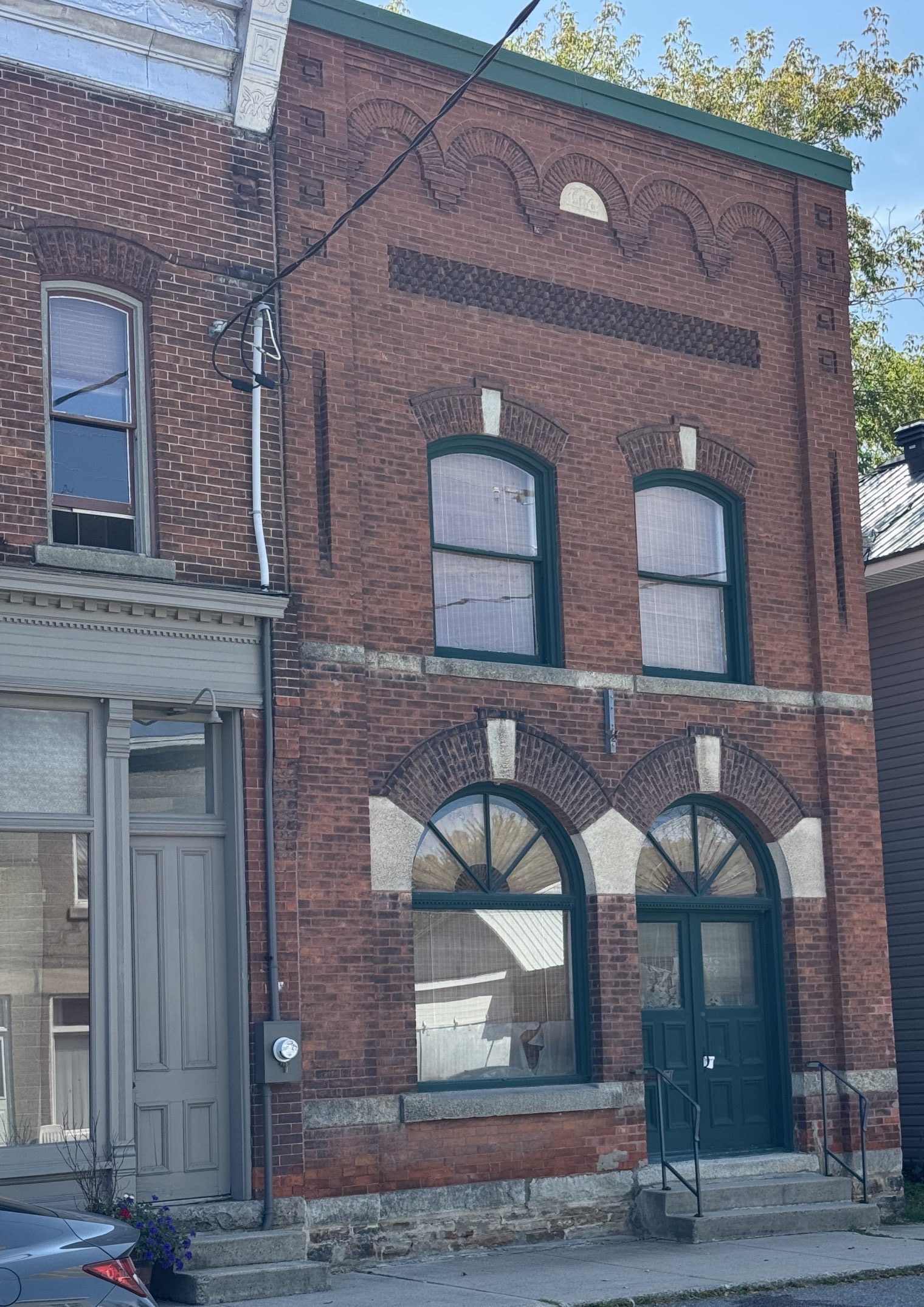
Spencerville has a way of surprising you. Begin with the mill and river setting, then make time for the village itself. The scale of the village core, the sense of long-standing community life, and the closeness of the surrounding farmland all help explain its character.
One of the best ways to experience Spencerville is simply to linger. Grab a bite at one of the village’s eateries, then return to Mill Park, or sit down in a local restaurant and talk with staff. It does not take long to notice the pride people have in their hometown, and why this small village continues to mean so much to those who know it.
If you are visiting in fair season, the village takes on a different energy. The fair is not an added attraction so much as an expression of what Spencerville has long been. At other times of year, the appeal is quieter, which makes the village especially well suited to an easy countryside drive linking heritage stops, rural communities, and lesser-known corners of the region.
The Spencerville Mill
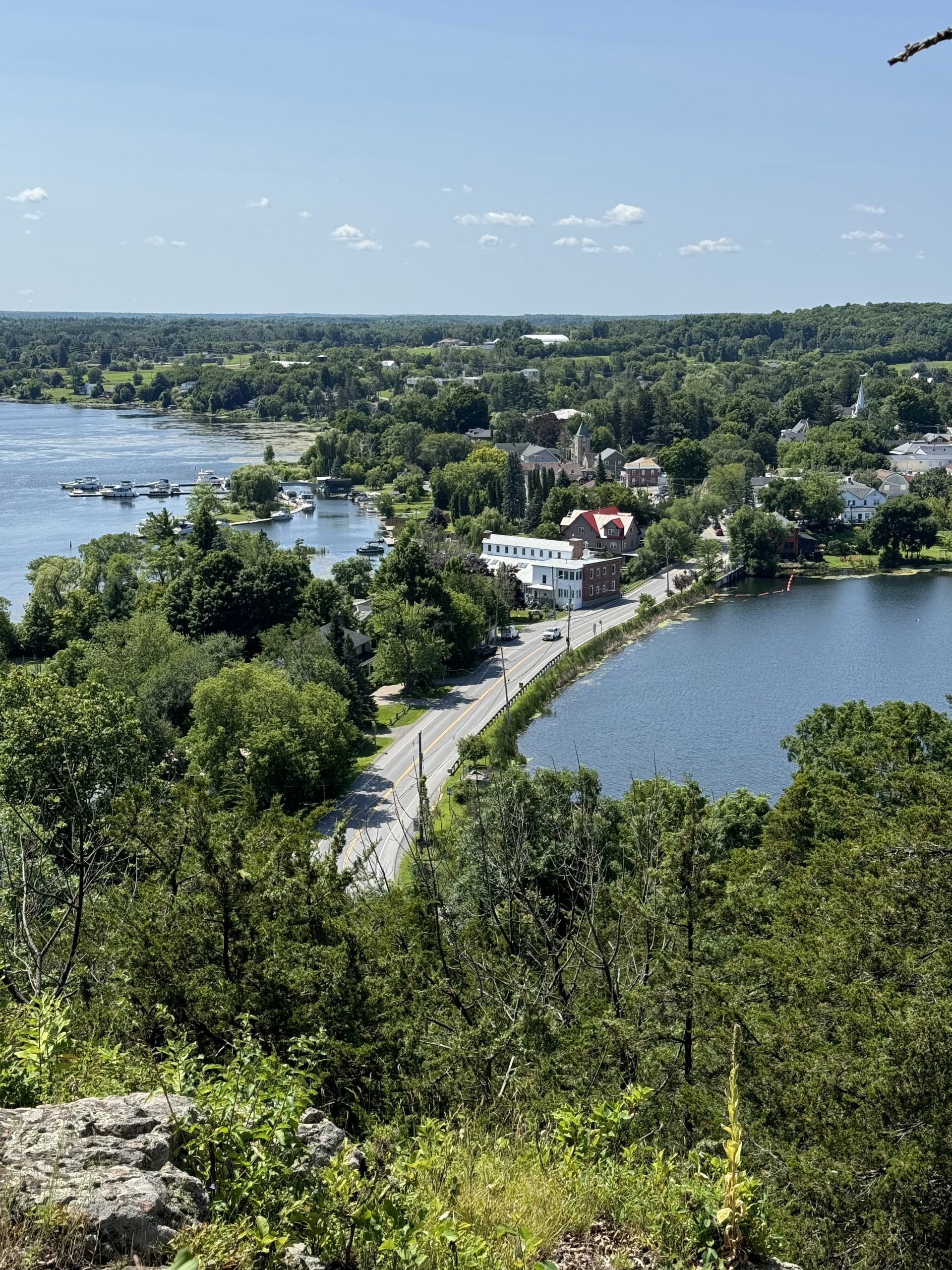
The Spencerville Mill is the village’s clearest historic anchor. Set beside the South Nation River, it helps explain why Spencerville developed here in the first place. Peleg Spencer built the first wooden dam and sawmill here by 1812, beginning the water-powered industry that gave rise to the village. His son David later took over the mills and expanded the family’s milling operations on both sides of the river.
The stone mill visitors see today dates to 1864. It was rebuilt in stone by Mercy Spencer Fairbairn and her husband Robert Fairbairn after an earlier grist mill was destroyed by fire. In 1884, the stone mill was gutted by fire again and rebuilt within its remaining stone walls. That pattern of rebuilding gives the mill unusual weight. It is not simply old. It speaks to the resilience that runs through Spencerville’s story.
The mill also evolved with the times. What began as flour and grist milling later became a feed mill serving local farmers and feed stores across the region. Today, as a museum, it offers both visual appeal and a tangible connection to the industrial and agricultural life that sustained Spencerville over generations.
Community and fair tradition
The Spencerville Fair has been part of community life since 1855 and remains one of the village’s defining traditions, held each year on the second weekend of September. It reflects the agricultural life of the surrounding area while also giving Spencerville one of its most recognizable annual rhythms.
You can expect a lively mix of livestock shows, homecraft and junior exhibits, midway rides, local food, vendors, live music, and crowd favourites like the demolition derby and antique tractor pull. Over the years, the fair has also drawn major Canadian acts, including Blue Rodeo, and attendance has reached into the tens of thousands.
The fairgrounds are not simply a historic reference. They help show that the village’s relationship to farming, community gathering, and rural life continues into the present. That continuity is one of Spencerville’s real strengths. It gives the village a lived-in authenticity that does not need to be overstated.
Where Spencerville fits in a Riverlands stay
Spencerville is well suited to travellers staying in Brockville and Maitland, Kemptville, or Smiths Falls who want to add a rural village stop to a broader day of exploring. It works best as part of a broader countryside day, where the pleasure comes from moving between smaller places and seeing how the rural landscape still shapes them.
If you’re connecting a few villages into a day, Spencerville pairs especially well with visits to Merrickville and Maitland. With Merrickville, the contrast is easy to feel: one village is known for its canal setting, shops, and polished historic streetscape, while Spencerville feels more rooted in milling, fairs, and agricultural life. With Maitland, the pairing works differently, linking two places with strong historic character, each tied to water, but with very different scale, mood, and setting. From Kemptville or Smiths Falls, Spencerville works well for travellers interested in seeing a quieter agricultural community alongside more established visitor hubs.
Why Spencerville stays with you
Spencerville is the sort of place that rewards curiosity. Come for the mill or the fair, stay long enough for lunch and a walk by the river, and the village begins to reveal something more lasting: a sense of continuity that feels increasingly rare. In a region often approached through its better-known corridors, Spencerville offers a quieter pleasure, one rooted in working history, local pride, and the enduring appeal of places that have never needed to perform for attention.
This page will continue to evolve as more stories are told.