
Merrickville
A canal village of stone, beauty, and enduring heritage
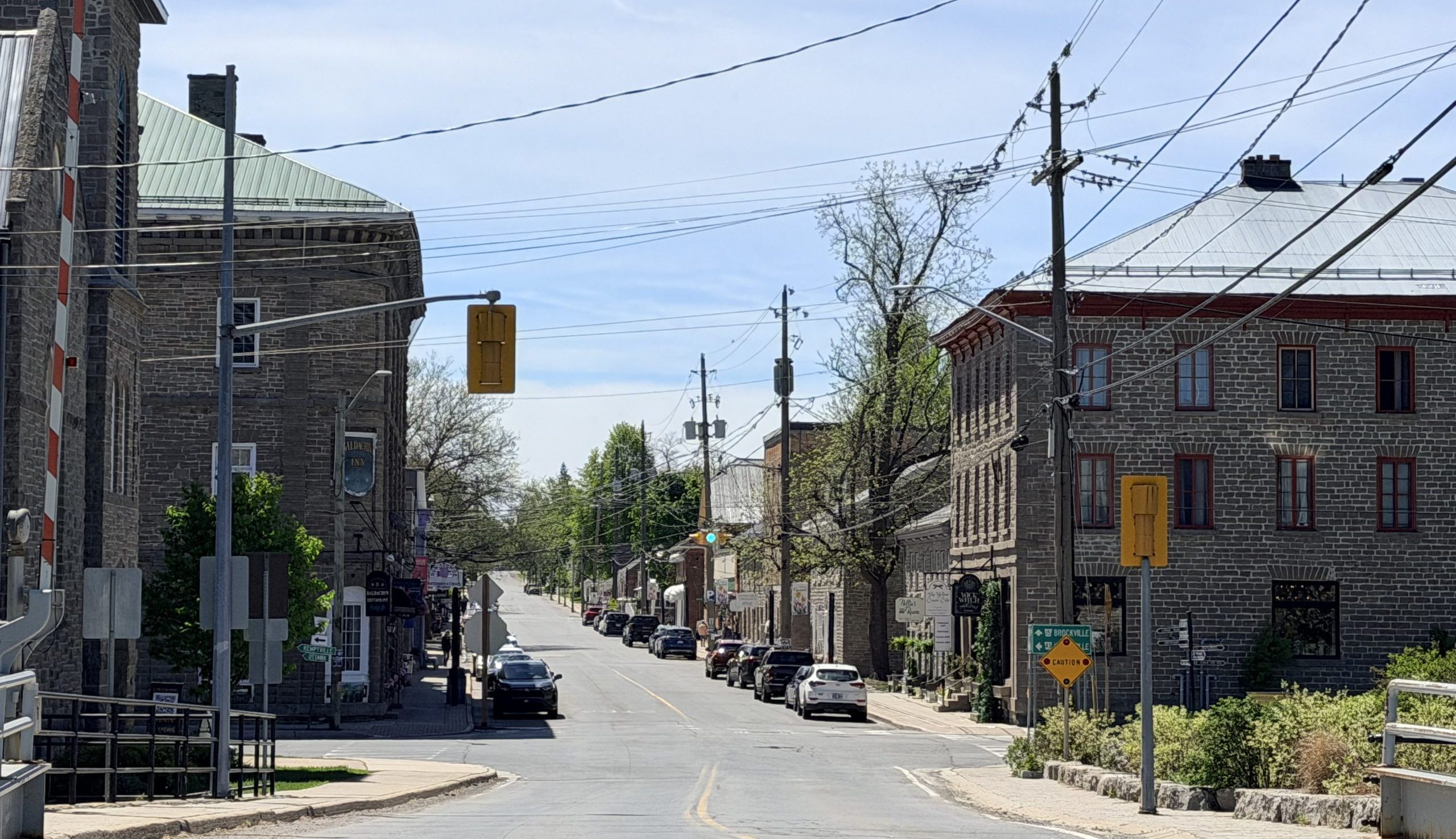
Known as Canada’s Most Beautiful Village since 1998 and often called the Jewel of the Rideau Canal, Merrickville is one of the Riverlands’ most iconic heritage villages. But its appeal goes deeper than reputation alone.
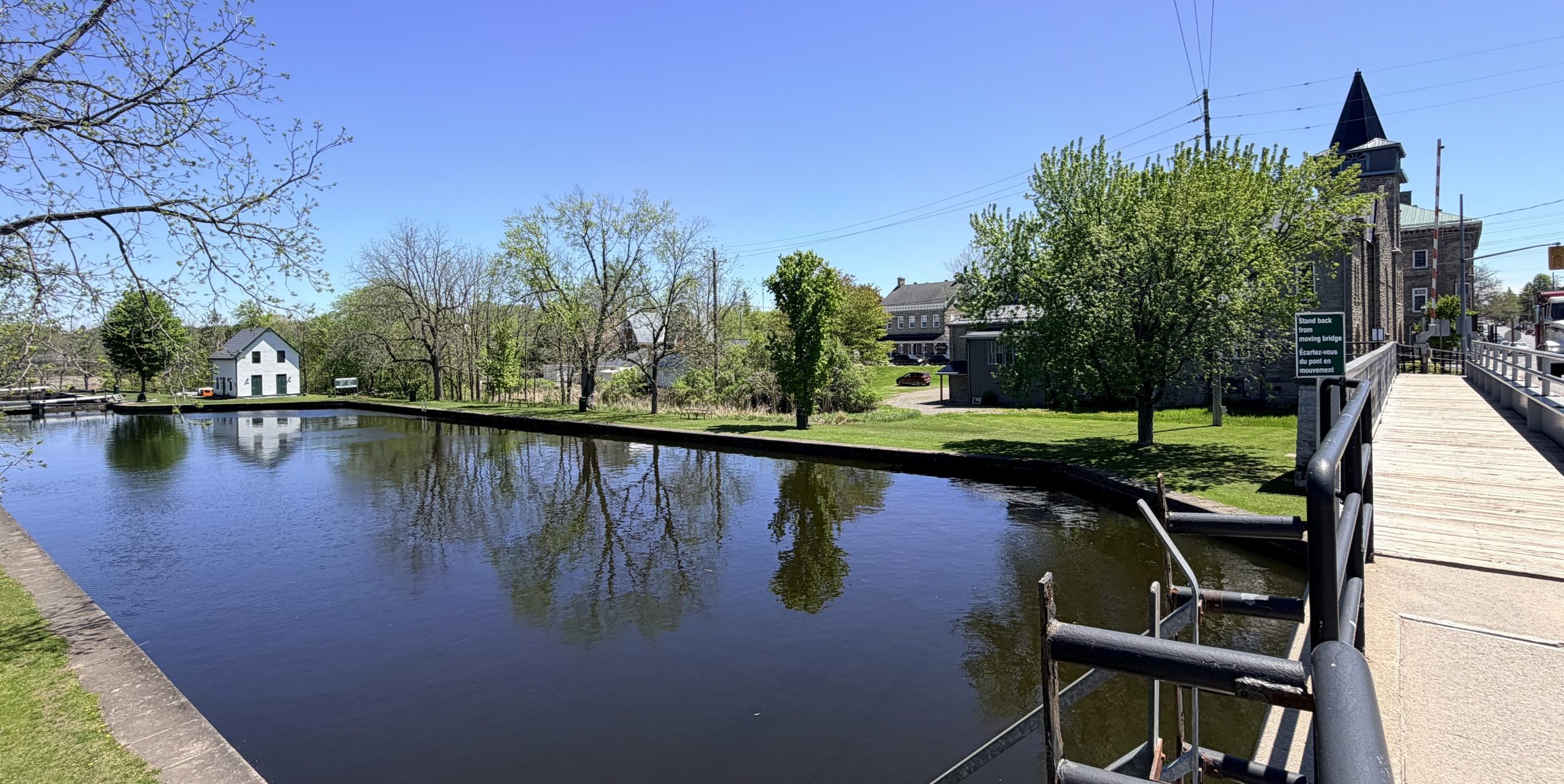
This is a place shaped by water, mills, stone, craftsmanship, and a remarkably preserved sense of place. The Rideau Canal is not simply a scenic feature here. It is part of the village’s foundation, and one of the reasons Merrickville still feels so complete.
Highlights
- Known as Canada’s Most Beautiful Village since 1998.
- Often referred to as the Jewel of the Rideau Canal.
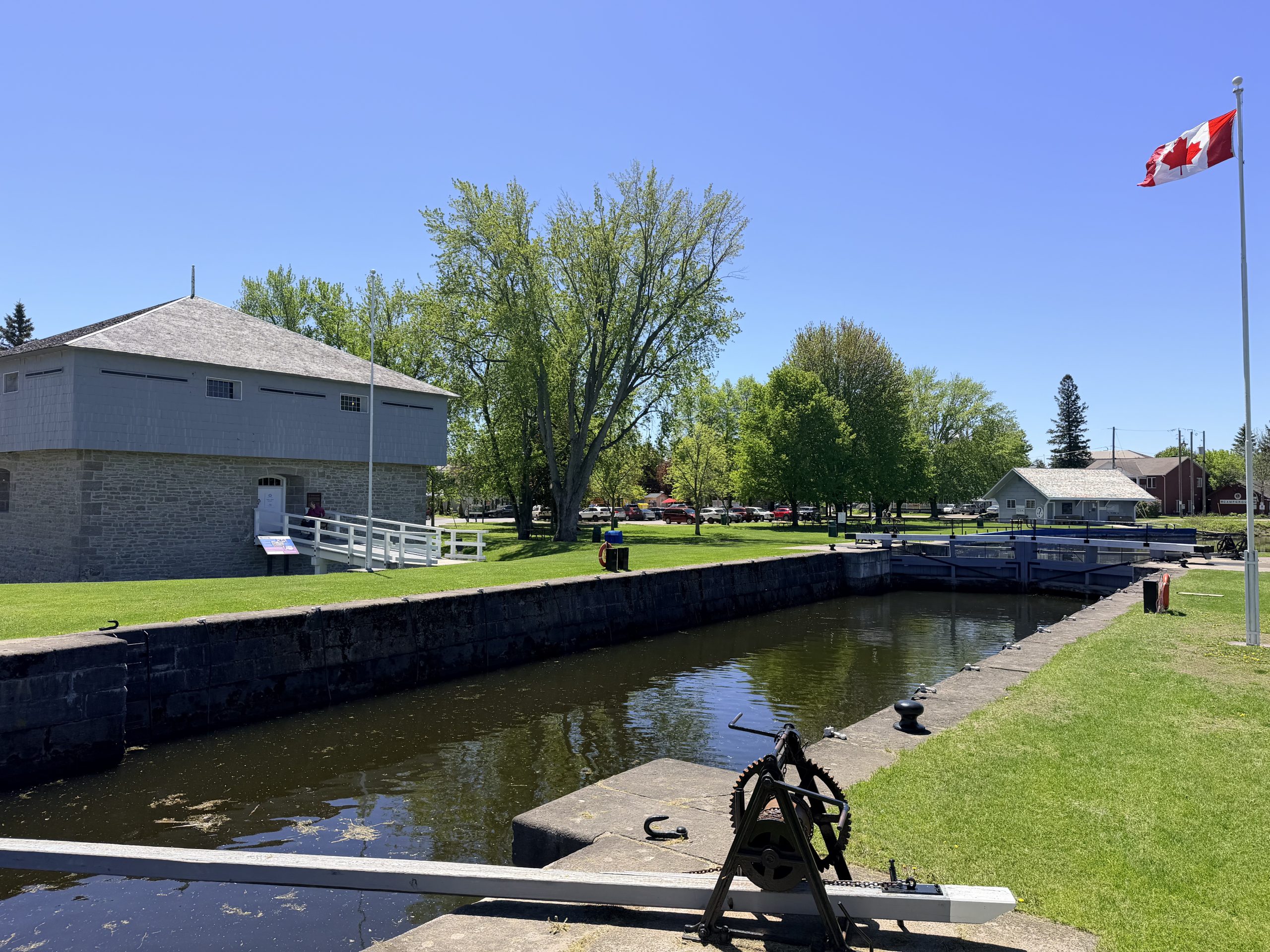
- The Merrickville Lockstation sits at the heart of the village.
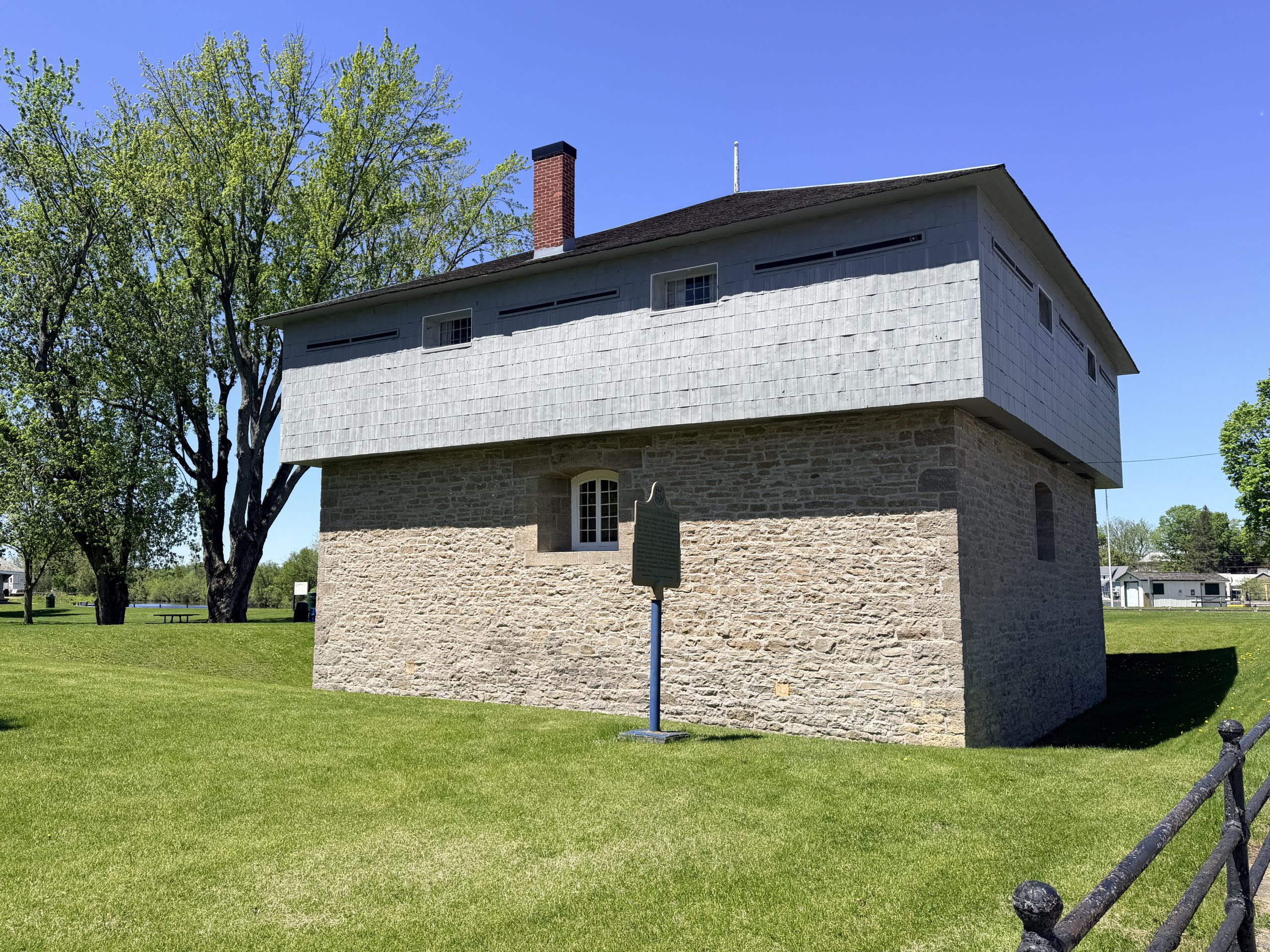
- The Merrickville Blockhouse is the largest blockhouse on the Rideau Canal.
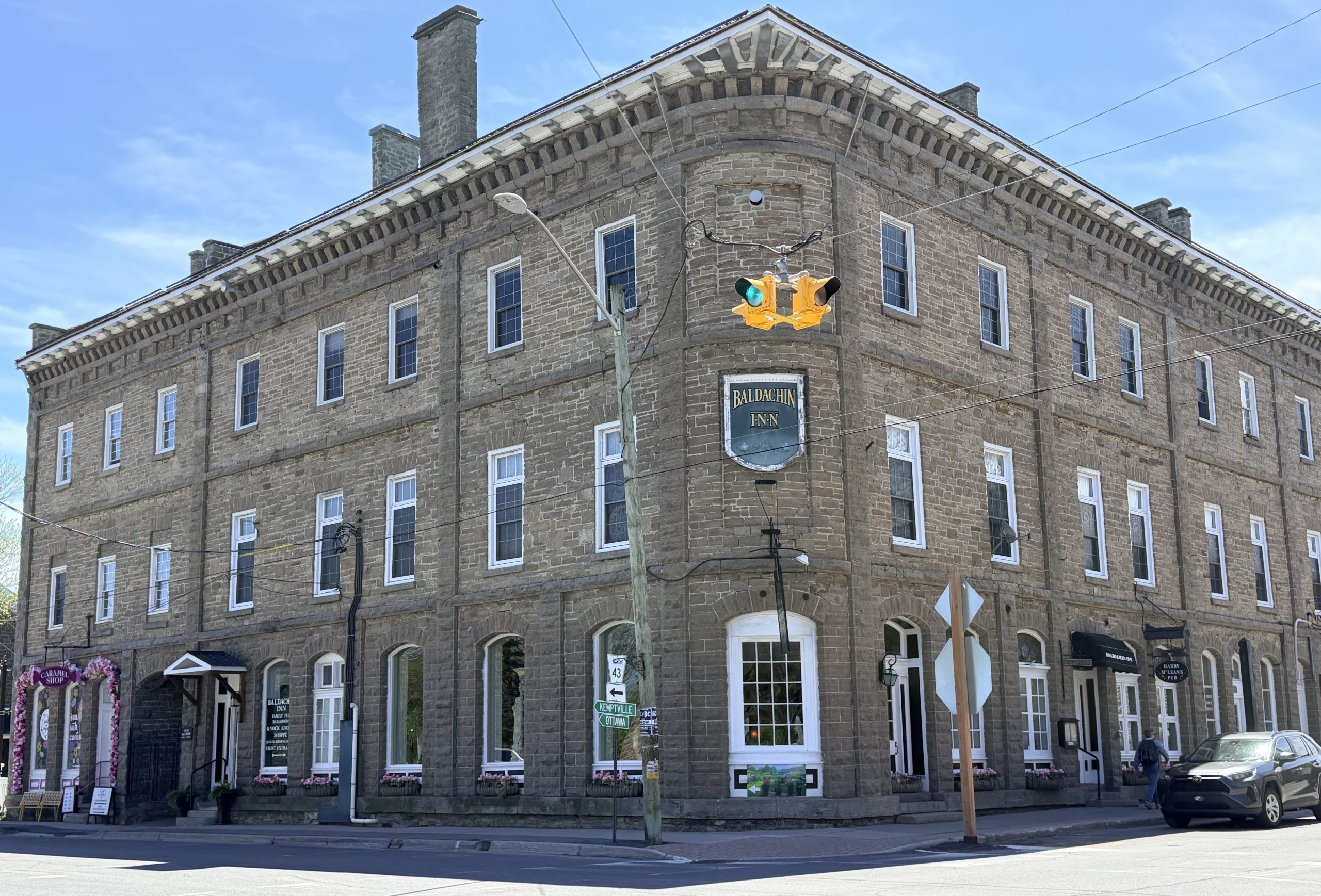
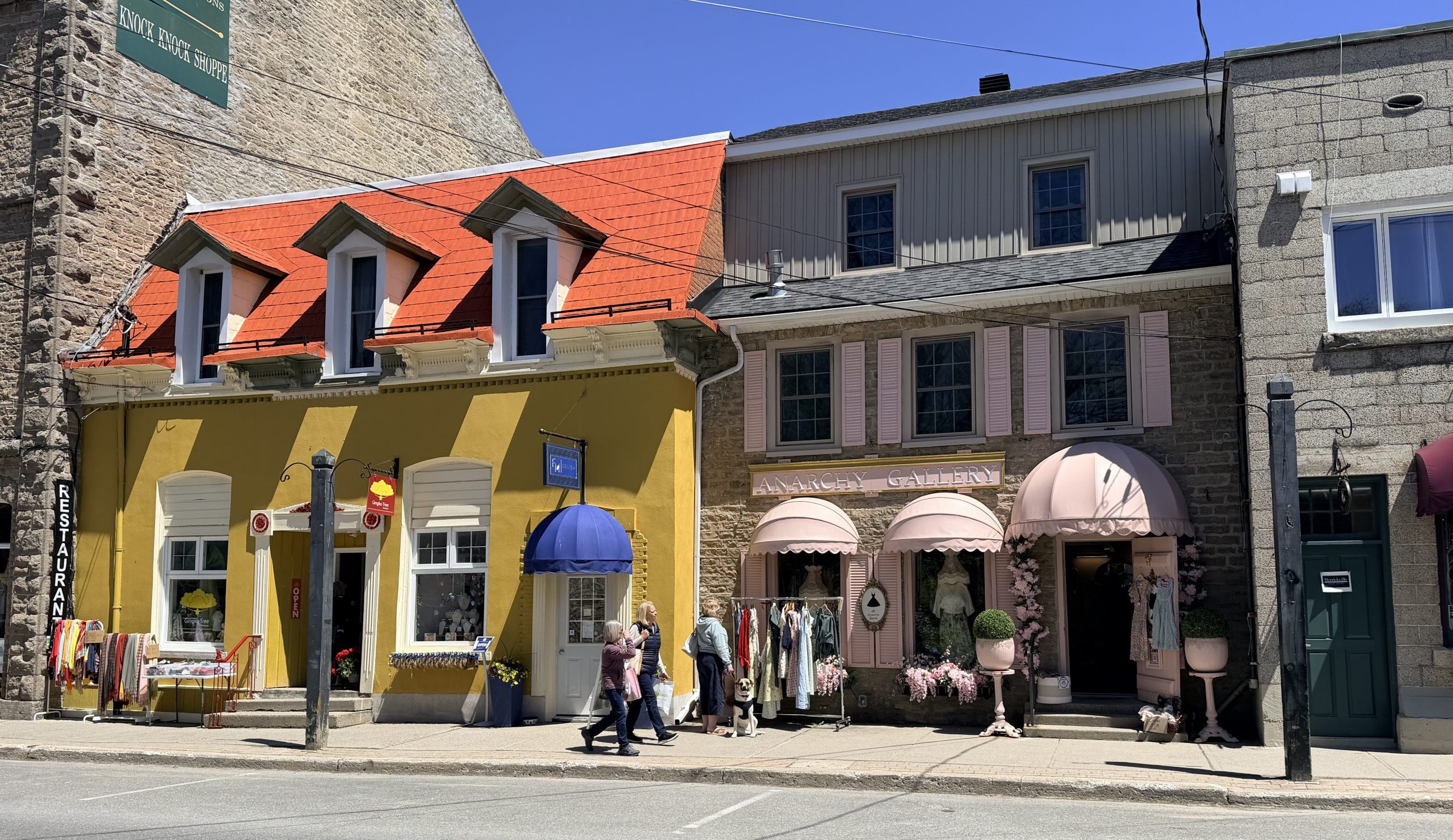
- Heritage streets, stone buildings, shops, galleries, and cafés create one of the region’s most complete village experiences.
- The canal gives the village movement, atmosphere, and historic depth.
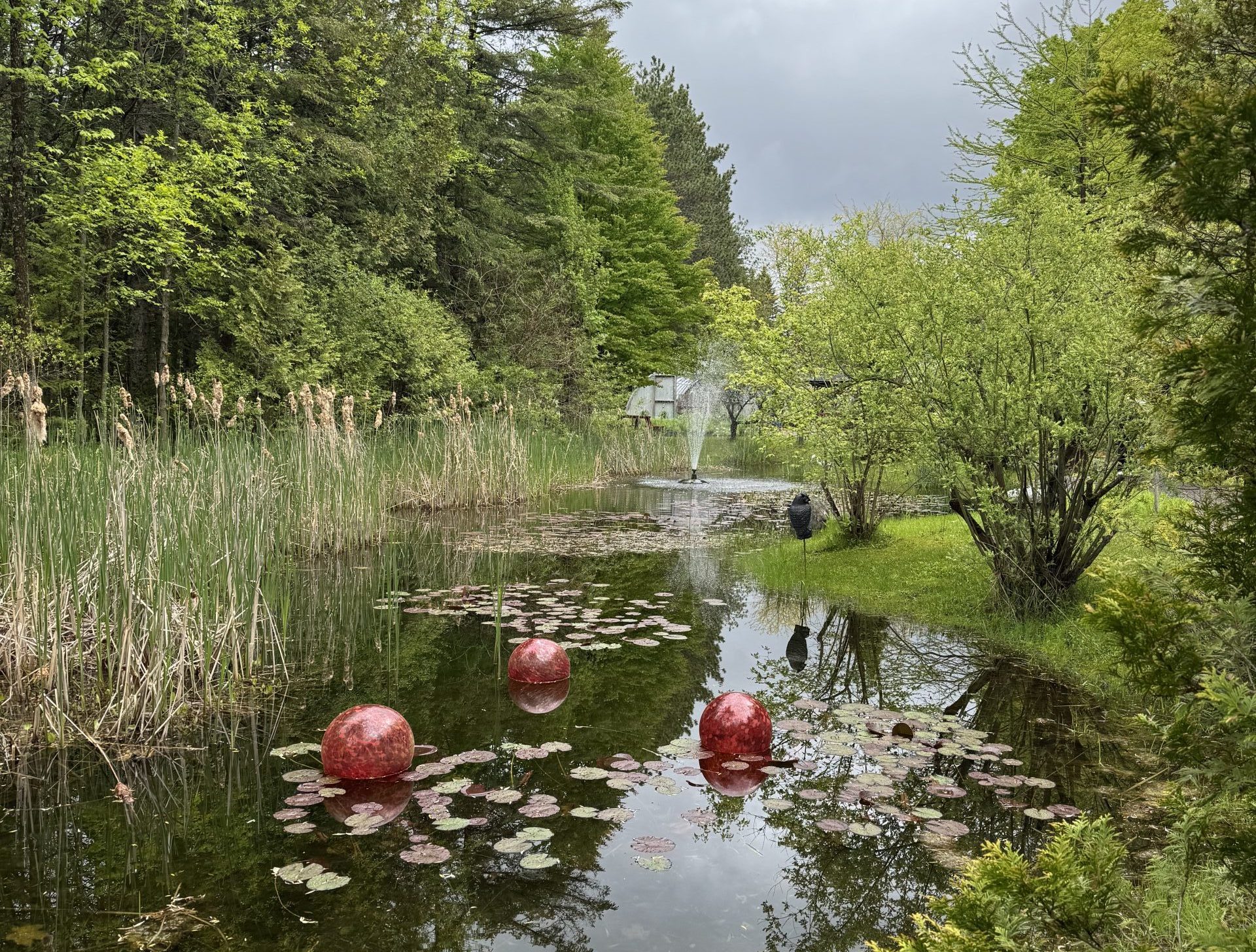
- Trails, river views, and nearby bird habitat add another layer beyond the village core.
- Merrickville balances beauty, history, and a slower pace in a way few places do.
Why Merrickville stands out
Merrickville stands out because so many of its strengths meet in one place. It is scenic, historic, walkable, and still shaped by everyday village life rather than tourism alone.
The canal runs directly through the heart of the village, giving Merrickville a living connection to the Rideau story. The stone buildings and preserved streetscape give it visual weight, while the shops, cafés, and galleries add energy without overwhelming its quieter character.
Merrickville offers one of the most complete village experiences in the Riverlands: beautiful enough to draw attention, substantial enough to hold it.
History and heritage
Merrickville began as Merrick’s Mills in the late 1700s, growing around the mills established by William Merrick. Water powered the early settlement, and that relationship between industry and landscape shaped the village from the beginning.
The opening of the Rideau Canal in 1832 strengthened Merrickville’s role in trade and travel, giving the village a new level of prominence. The new locks were cut beside the original falls rather than through them, allowing the mills to continue operating while linking Merrick’s Mills to a broader transportation network. Many of the buildings and streetscapes that still define Merrickville today reflect that 19th-century period of prosperity and growth.
One of the village’s most important heritage landmarks is the Merrickville Blockhouse, built as part of the Rideau Canal’s military purpose. It remains one of the clearest reminders that the canal was not only an engineering achievement, but also a strategic defensive route. In Merrickville, history is not tucked away. It remains visible in the fabric of the village itself.
Culture and village life
Merrickville’s present-day character comes through in the balance between heritage and everyday life. This is not a village preserved only for visitors. It still feels lived in, used, and shaped by people who care about place.
Places like this do not stay distinctive by accident. Merrickville’s beauty has been shaped by local pride, by restraint, and by the understanding that character is worth protecting before it disappears. Heritage here is not only what remains. It is what a community continues to carry forward.
Its shops, cafés, galleries, and local businesses contribute to that feeling, but so do the quieter details: the scale of the streets, the pace of movement, and the way the canal remains part of village life rather than separate from it. Merrickville feels active without being busy, and refined without feeling polished for effect.
From May through September, the Merrickville Art Walk brings that creative life into closer view. Held on the last Thursday of each month, the Art Walk takes place on Main Street, a side street just off the village’s main core. It is a good reminder that Merrickville is not fully understood from the main stretch alone. Turn a corner, follow a side street, and much more of the village comes into view.
There is also a strong sense of craftsmanship here. It can be seen in the architecture, felt in the local creative life, and noticed in the way Merrickville continues to hold beauty and utility together. It is one of the reasons the village feels more substantial than a simple stop for browsing.
How people move through the village
Merrickville is best experienced on foot and at an unhurried pace. Most people arrive by car, but once here, the village invites wandering. The canal and lockstation naturally pull you toward the centre, and from there the village opens through side streets, shops, heritage buildings, and places to pause.
A visit unfolds easily. You can begin at the locks, visit the Blockhouse, browse local shops, stop for coffee or lunch, and then continue outward toward trails, river edges, or quieter corners nearby.
That ease is part of Merrickville’s appeal. It is a village that invites you to slow down without needing to tell you to.
The feel of Merrickville
Merrickville feels graceful, established, and quietly confident. It is beautiful, but not delicate. Its appeal comes from substance as much as charm.
What defines the village is the relationship between its elements: canal and stone, history and everyday life, beauty and usefulness. Here, the simple rhythms of the village still matter: people crossing the bridge, shops and cafés opening for the day, movement along the canal, and a main street that remains part of local life rather than existing only for visitors. It leaves the impression of a place that has had time to become fully itself.
For some travellers, Merrickville will feel romantic. For others, restful. For others still, it will stand out because it offers one of those increasingly rare experiences: a village that still feels both distinctive and real.
A sample of a visit
A visit to Merrickville begins with the canal, because that is where the village’s identity becomes most immediate. Spend time at the locks, watch the movement through the waterway, and let the village reveal its rhythm from there.
Then move into the heritage core. Visit the Blockhouse, notice the stone buildings and older streetscapes, and give yourself time to browse rather than rush. Merrickville rewards lingering, especially when you leave room for its boutique shops, galleries, and side streets. Some of the village’s most memorable finds sit just around the corner, slightly away from the main flow, where a quieter storefront, studio, or small detail can change the shape of the visit.
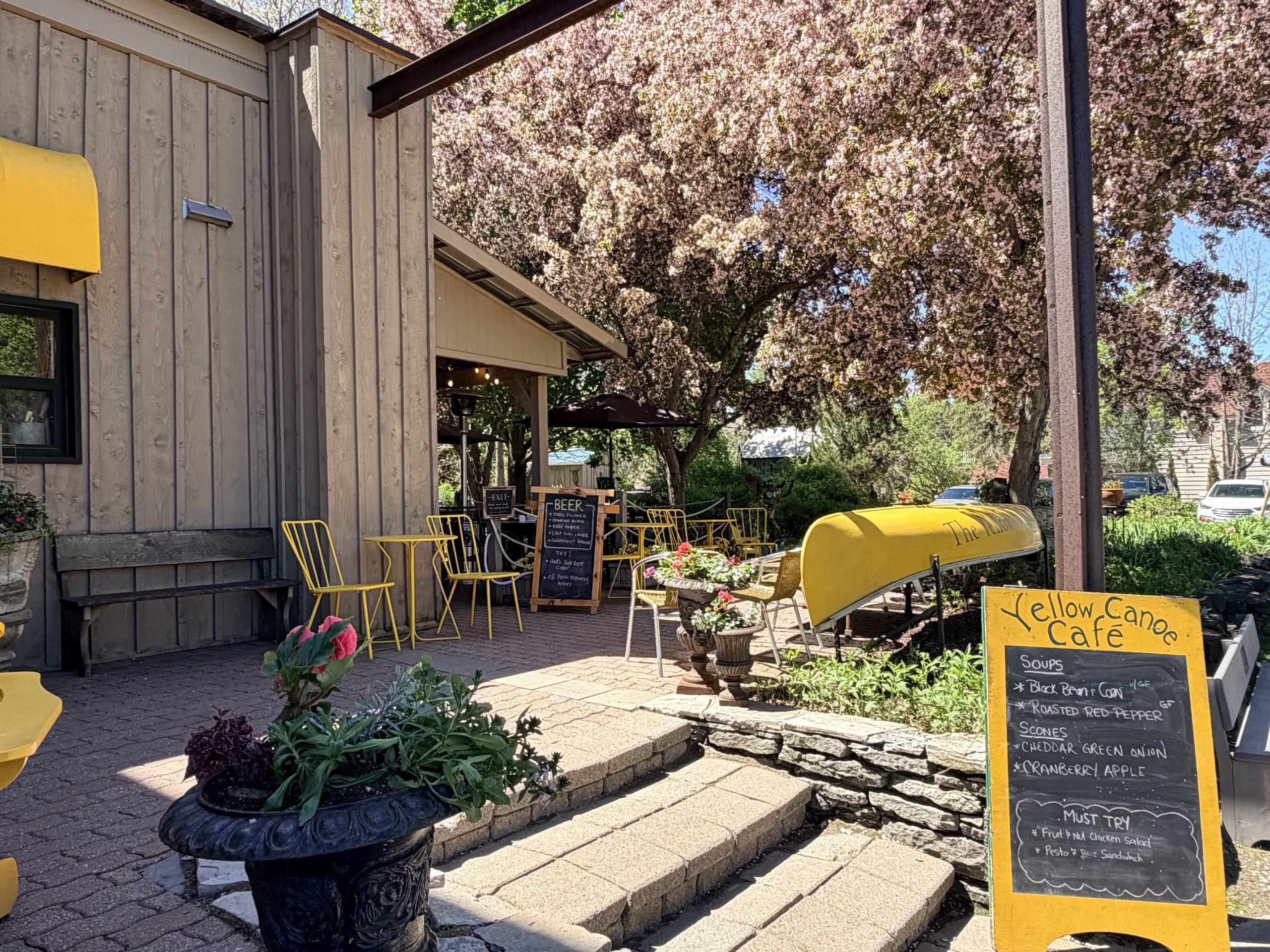
Pause for coffee, lunch, or a slower walk through the village, then let the day open outward into trails, green space, or the quieter edges that surround the core.
Merrickville works best when approached this way: as a village where beauty, history, and pace shape the experience.
Best base towns for exploring Merrickville
Merrickville works beautifully as a destination in its own right, but it also fits naturally into a wider Rideau-focused stay.
Smiths Falls is the strongest base for travellers who want Merrickville to be part of a broader canal-focused stay, with easy access to two distinct Rideau Canal experiences: a day in Merrickville, and another heading west into the Rideau Lakes area through places like Westport, Newboro, and Jones Falls. Perth offers a more refined heritage-town stay, with beautiful architecture, independent shops, and a polished small-town atmosphere that pairs well with Merrickville if you want your trip to feel rooted in beauty, culture, and slower browsing.
Kemptville works well for travellers approaching from Ottawa or the east who want a practical base with a more local, everyday feel and easy access to Merrickville as part of a wider stay. Brockville makes sense for those approaching from the east or building a broader South Eastern Ontario itinerary, especially if they want to pair Merrickville with river history, the St. Lawrence, and one of the region’s most established waterfront communities.
The Riverlands Base Towns map can help you see how Merrickville sits in relation to the base towns and the wider Riverlands, making it easier to choose the best fit for your stay.
Closing line
Merrickville has nothing to prove. Its reputation may bring people here, but the village holds attention for a different reason: it still feels whole, lived in, and sure of itself.
This page will continue to evolve as more stories are told.