
48 Hours in Brockville: A Heritage Waterfront Escape in the Riverlands
Brockville has presence.
When you live in this part of Ontario, you learn which places still carry themselves with a sense of importance. Brockville is one of them.
Set along the St. Lawrence River, with grand stone buildings, historic streets, intimate restaurants, cultural landmarks, and one of the most distinctive downtown experiences in the province, this is a city with depth, confidence, and atmosphere.
Refined, but still lived-in.
Walkable without feeling small.
Historic without feeling frozen in time.
Brockville is the kind of place where the river is always close, the architecture does some of the storytelling, and a weekend can move easily from coffee and courthouse views to underground railway tunnels, waterfront walks, candlelit dinners, live performance, and scenic roads leading deeper into the Riverlands.
For travellers who want to understand the area, Brockville is one of the best places to begin. It gives you a strong sense of arrival, a beautiful downtown to explore, and easy access to the villages, waterways, makers, and landscapes that shape the wider region.
This is how to spend 48 hours here with intention.
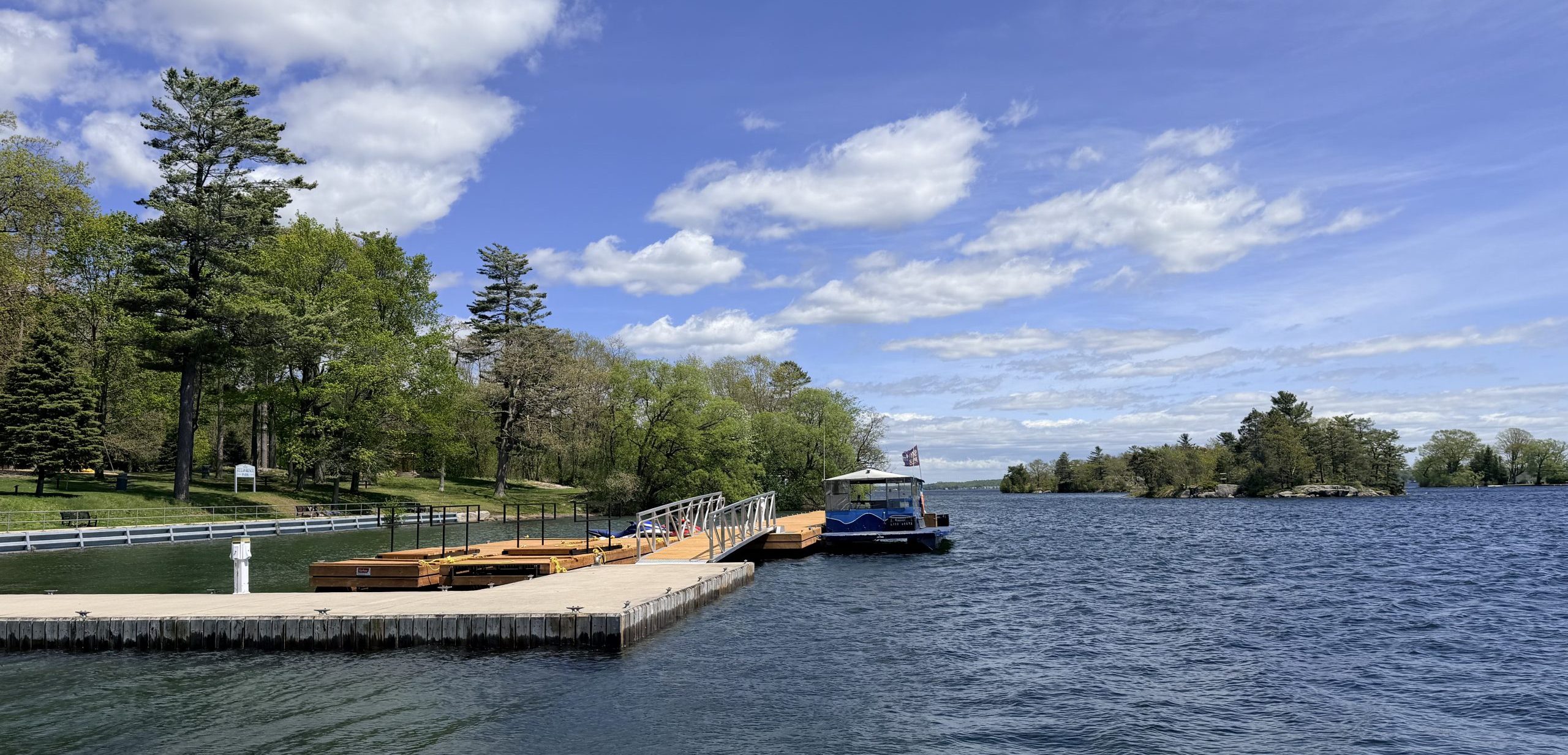
St. Lawrence Park
Day One: Arrive and Let the City Set the Pace
Arrive in the afternoon and give yourself time to settle in. Brockville is best experienced without rushing, especially if you want to understand the relationship between the downtown, the river, the courthouse district, and the historic streets around it.
Choose your stay with the full experience in mind. For travellers looking for character and a strong sense of place, The Sir Isaac Brock B&B keeps you close to Brockville’s historic core and waterfront, while Maison Maitland Cooking School and Villas, just outside the city, offers a quieter riverfront base with easy access back into town.
Brockville has plenty of accommodation options in and around the city, and the right choice depends on the kind of stay you want. Think about location, amenities, group size, walkability, parking, river access, and how close you want to be to the historic core. A good base should make the whole visit feel easier, not just give you a place to sleep.
Once you are settled, walk King Street and make your way toward the waterfront. This is where Brockville starts to show its character. The storefronts, upper windows, cornices, masonry, side streets, and river views all work together to give the downtown its sense of age and confidence. It is not trying to be charming. It simply is.
Spend the late afternoon along the waterfront, where the city opens toward the St. Lawrence. This is one of Brockville’s defining features: the way the historic core, marina, parks, islands, and river all sit close together. You do not have to plan too much here. Walk, pause, look across the water, and let the city introduce itself.
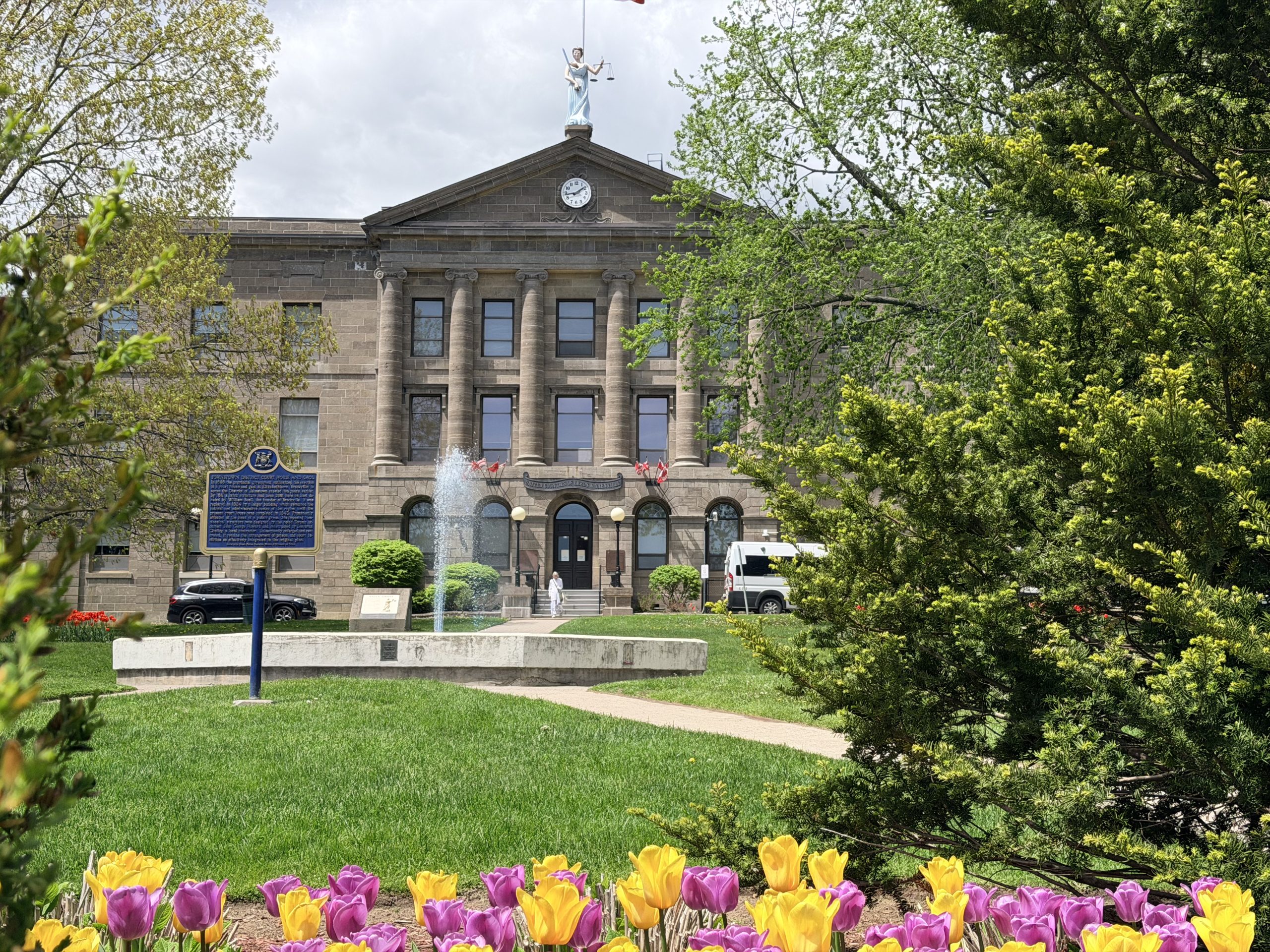
Brockville Courthouse
For dinner, make your way to The Noshery, a downtown Brockville steak and seafood restaurant with the kind of character that makes a meal feel connected to the place. It is consistently well reviewed for its food, warm service, and distinctive atmosphere, making it a strong choice for travellers who want the evening to feel relaxed, generous, and rooted in the city rather than overly formal.
After dinner, take your time returning through the downtown or toward the river. In warmer months, an ice cream stop on Blockhouse Island gives the evening an easy, nostalgic finish, with the harbour lights, river air, and downtown just behind you.
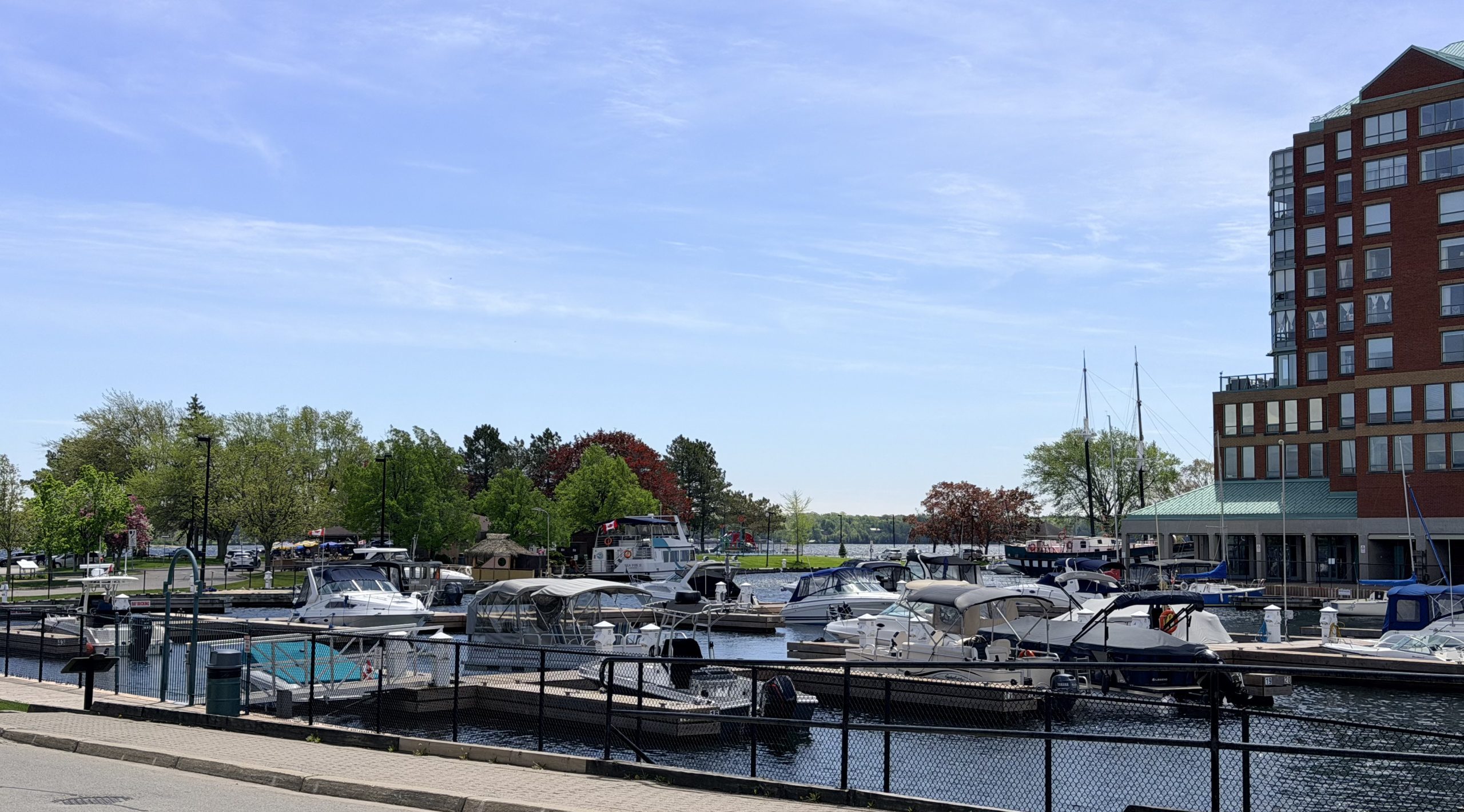
Blockhouse Island
Day Two: Look More Closely
If your visit falls on a Saturday, start at the Brockville Farmers’ Market. It gives the morning a local pulse before the day turns toward architecture, history, and the river. Pick up coffee, browse what is in season, and take in the easy movement of people gathering downtown.
From there, continue on foot through the historic core.
The best way to understand Brockville is to walk it. The river, courthouse, historic commercial streets, museum, Arts Centre, waterfront, and railway tunnel all sit close enough together that the city begins to make sense as you move through it.
Spend part of the morning around Courthouse Avenue, one of the most important historic areas in the city. This is where Brockville’s civic weight becomes visible. The architecture, setting, and scale tell you something about the city’s role as a centre of law, commerce, influence, and public life.
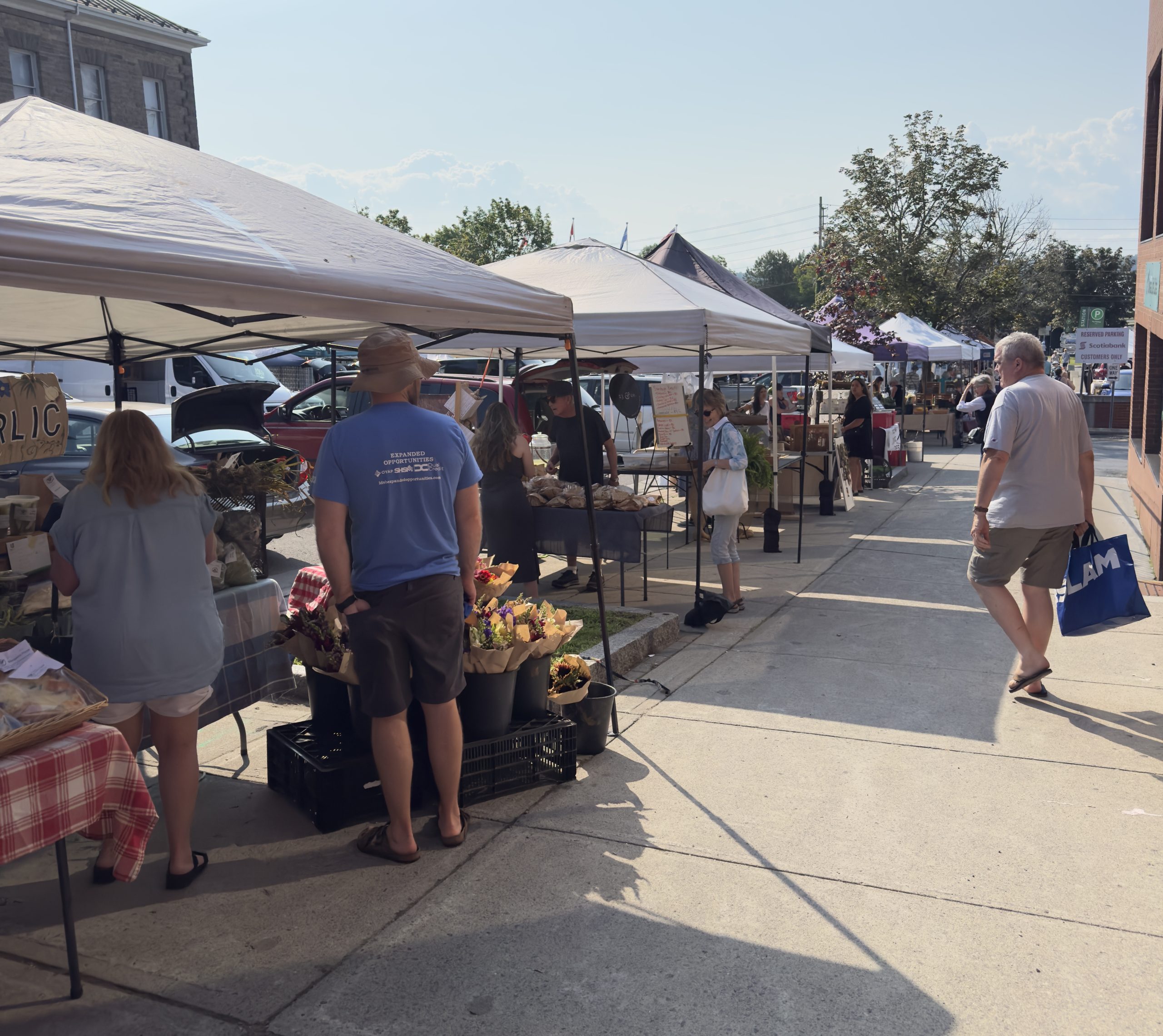
Brockville Farmers’ Market
From there, move through the downtown at an unhurried pace. Browse local shops, follow the historic streets toward the waterfront, and make your way to the Brockville Railway Tunnel.
Even for those of us who know the area well, the tunnel remains one of the city’s most memorable experiences. It is atmospheric, unexpected, and completely different from the street-level view of Brockville. The stone, sound, light, and cool underground passage give the city a sense of theatre.
For lunch, keep the day relaxed and close to the historic core or waterfront. Brockville has plenty of restaurant options within easy reach, so choose based on the kind of day you want: casual and quick, patio-focused, tucked into the downtown, or closer to the river. The key is to stay connected to the city rather than pulling yourself away from it.
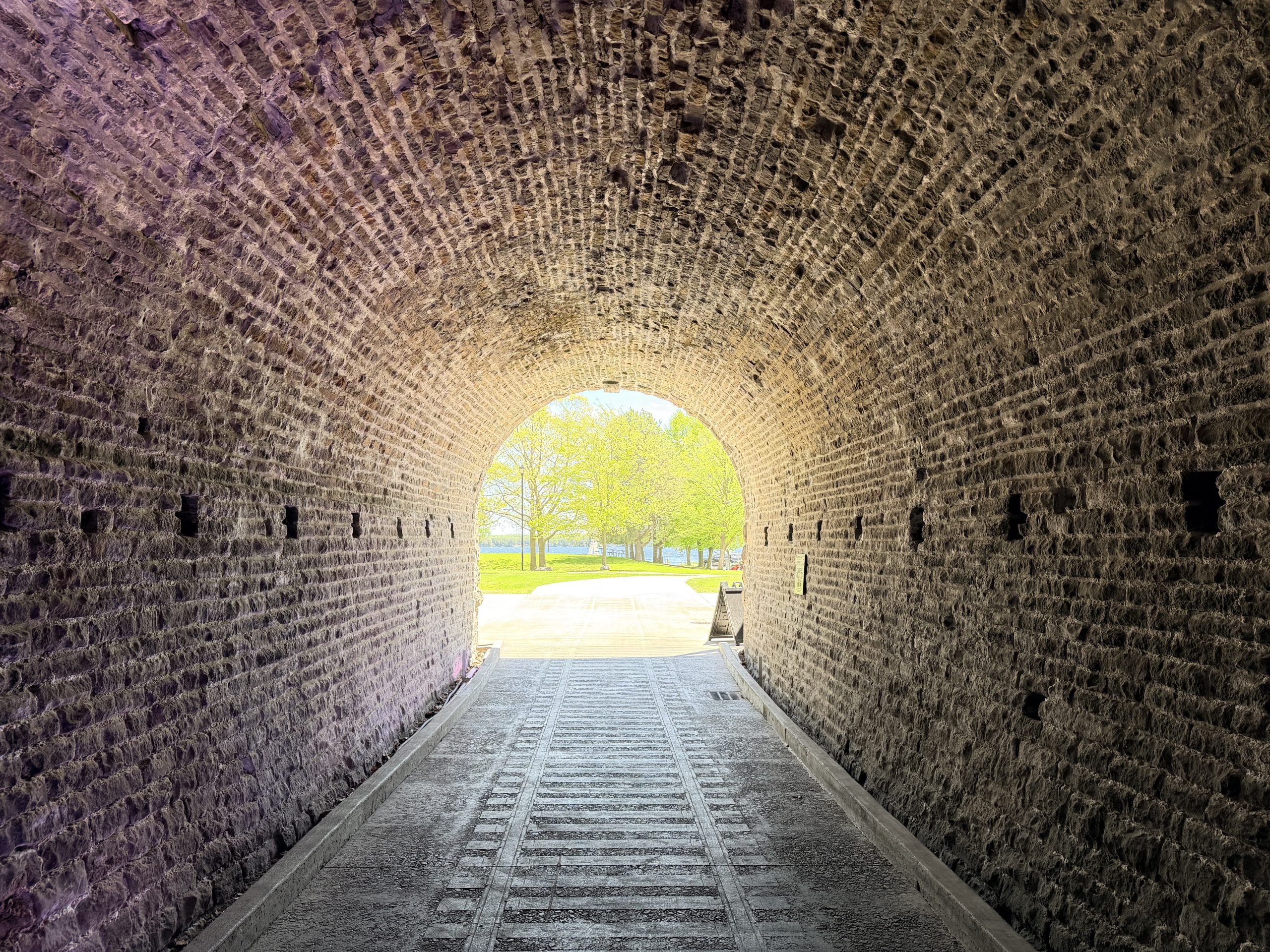
Brockville Railway Tunnel
For travellers who prefer a hosted version of this part of the city, A 1000 Ways offers The Court Town, a private story-led experience that brings together Courthouse Avenue, a local café stop, the Brockville Railway Tunnel, and a picnic lunch in a waterfront park. It is a good fit for those who want the city’s history, architecture, and local details connected into one experience, rather than piecing it together on their own.
After lunch, continue east along King Street to Fulford Place. It sits just beyond the downtown core, but this is still a city worth experiencing on foot. If you like to walk when you travel, walk. If you prefer to keep the afternoon easy, drive. Either way, make room for it. This is one of Brockville’s great historic homes and a powerful reminder of the city’s wealth, ambition, and riverfront identity during the late 19th and early 20th centuries.
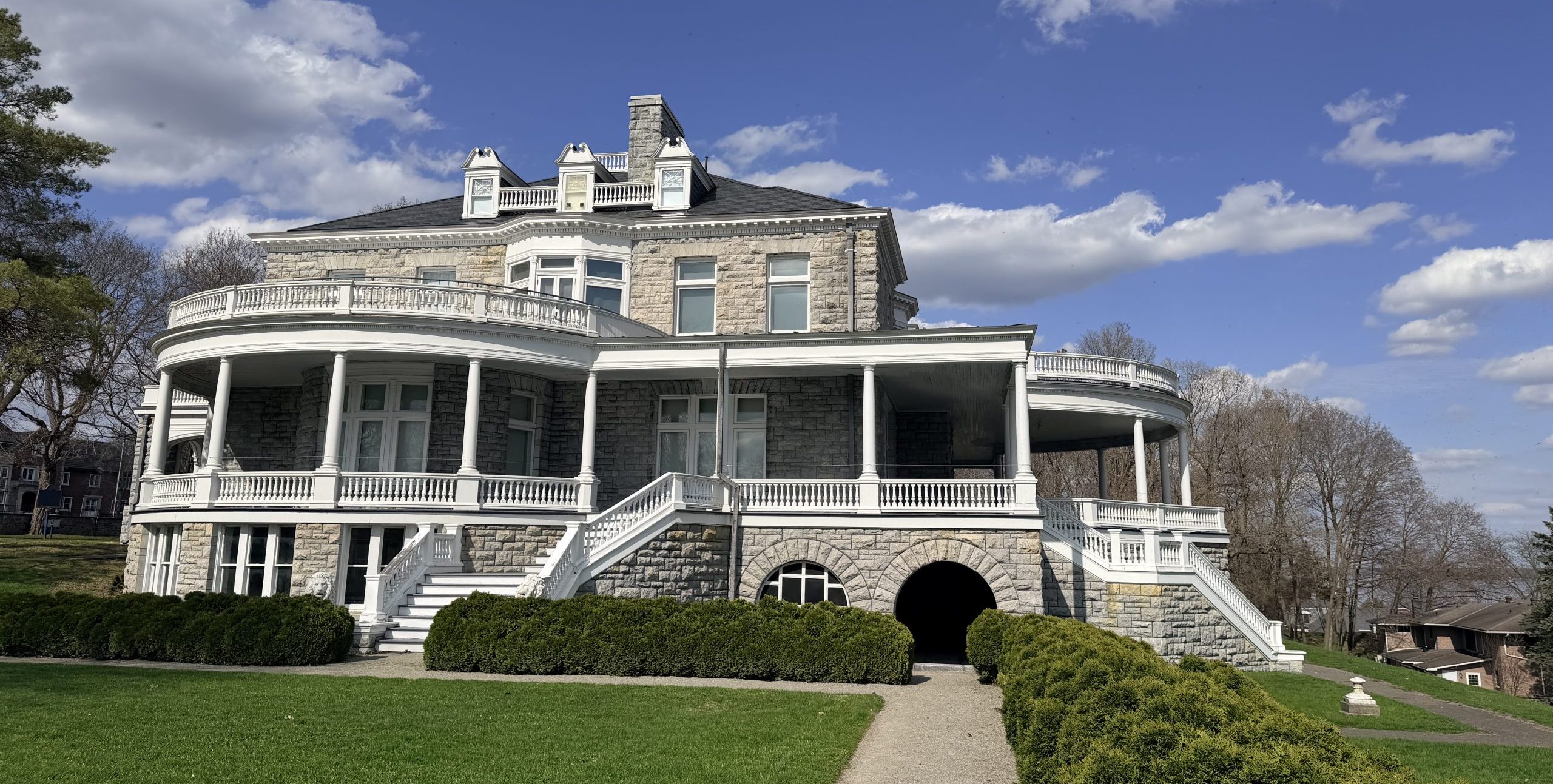
Fulford Place
Plan to go to the Brockville Arts Centre in the evening. It is one of the city’s great cultural anchors and a reminder that Brockville’s appeal is not only architectural or waterfront-based. There is a cultural life here too, and it belongs in the experience.
After the show, stay downtown for a late dinner or a drink nearby. It lets the evening stretch a little longer, with the historic streets, waterfront air, and theatre lights still shaping the mood of the night.
Day Three: Follow the Roads Outward
By the third day, Brockville should feel familiar in the best way. You have had time to settle into the city’s rhythm, understand its relationship to the river, and feel how naturally the historic core holds the stay together. Now let the trip widen.
From here, the Riverlands opens in several directions. You can head east toward Maitland, then continue inland through Spencerville and Merrickville, a route that shifts from riverfront settlement to village main streets and canal country without ever feeling far from Brockville. Or you can follow the St. Lawrence west toward Mallorytown and Rockport, where the road stays close to the river and the day takes on a slower shoreline rhythm. ArBru Solar Brewery also sits in this direction, making it an easy craft beer stop with a strong local identity.
Another full day route can take you deeper inland toward Athens, Delta, Lyndhurst, Newboro, or Westport, where the Riverlands begins to move between lakes, mills, locks, rural roads, and small communities with stories of their own.
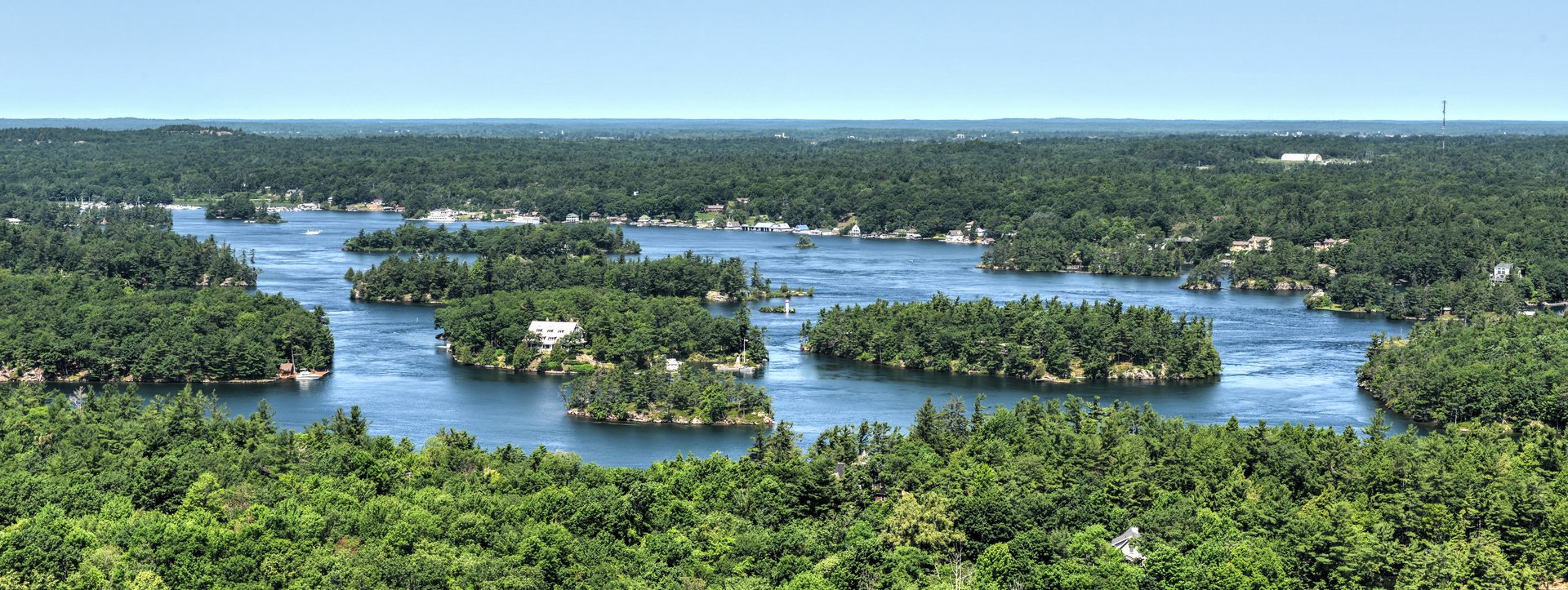
1000 Islands
That is the strength of staying in Brockville. You can settle into a historic waterfront city, then move outward without losing the thread of the region. The river, the villages, the canal landscapes, the old stone buildings, and the local stops all begin to connect, but Brockville remains the place that holds the stay together.
For 48 hours, it gives you more than enough to work with: a riverfront setting, a historic core, good food, cultural life, and roads that make the wider Riverlands feel close.
It is not a place to pass through quickly.
It is a place to base yourself, look around, and let the region open from there.