A Region Hiding in Plain Sight
An invitation to travel deeper, beyond the obvious, into the Riverlands
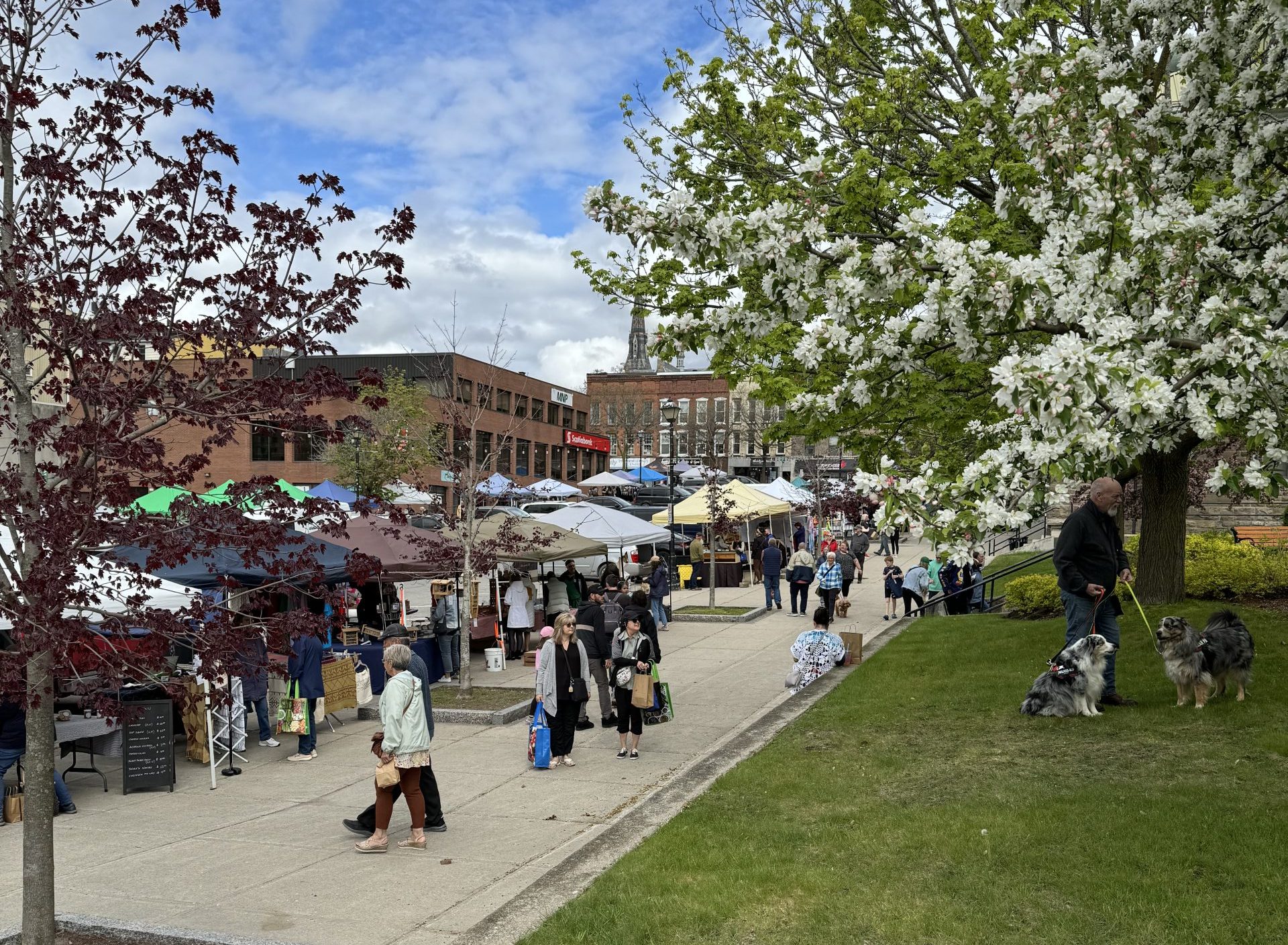
Brockville Farmers’ Market, Brockville, Ont.
Some places are overlooked because they are remote.
Others are overlooked because they are passed through, rather than truly seen.
Leeds and Grenville, what we call the Riverlands, is one of them.
It is a region that does not demand attention, yet rewards it deeply.
And that is part of the paradox. The Riverlands holds some of Ontario’s most notable historic and cultural landmarks, from Ontario’s oldest surviving bridge and Canada’s first glassworks to Canada’s Most Beautiful Village, one of Ontario’s oldest mills, and a landscape shaped by two UNESCO designations. Yet even with all of that, it remains a region many travellers know only in fragments.
The challenge is not visibility. It is perception.
This part of Ontario is not short on beauty, culture, or story. What it lacks is not substance, but framing. Too often, the Riverlands is encountered in fragments rather than understood as a whole. A village here. A shoreline there. A meal, a stop, a drive-through moment.
Seen this way, the region can feel elusive.
Seen properly, it reveals itself as layered, generous, and quietly compelling.
Gananoque, Ont.
A region shaped by relationship, not spectacle
The Riverlands is defined by the relationship between land, water, and people.
Rivers are not scenery here. They are structure. They determine how villages formed, how goods moved, how communities connected. Farms are not decorative. They are working landscapes shaped by seasons and stewardship. Makers, producers, and artisans are not trends. They are continuations of a way of life rooted in skill and care.
Nothing here exists in isolation. Each place gains meaning through its connection to the next.
This is why the region resists being reduced to highlights or icons. It is not designed for consumption at speed. It asks the traveller to slow down, to notice, to listen.
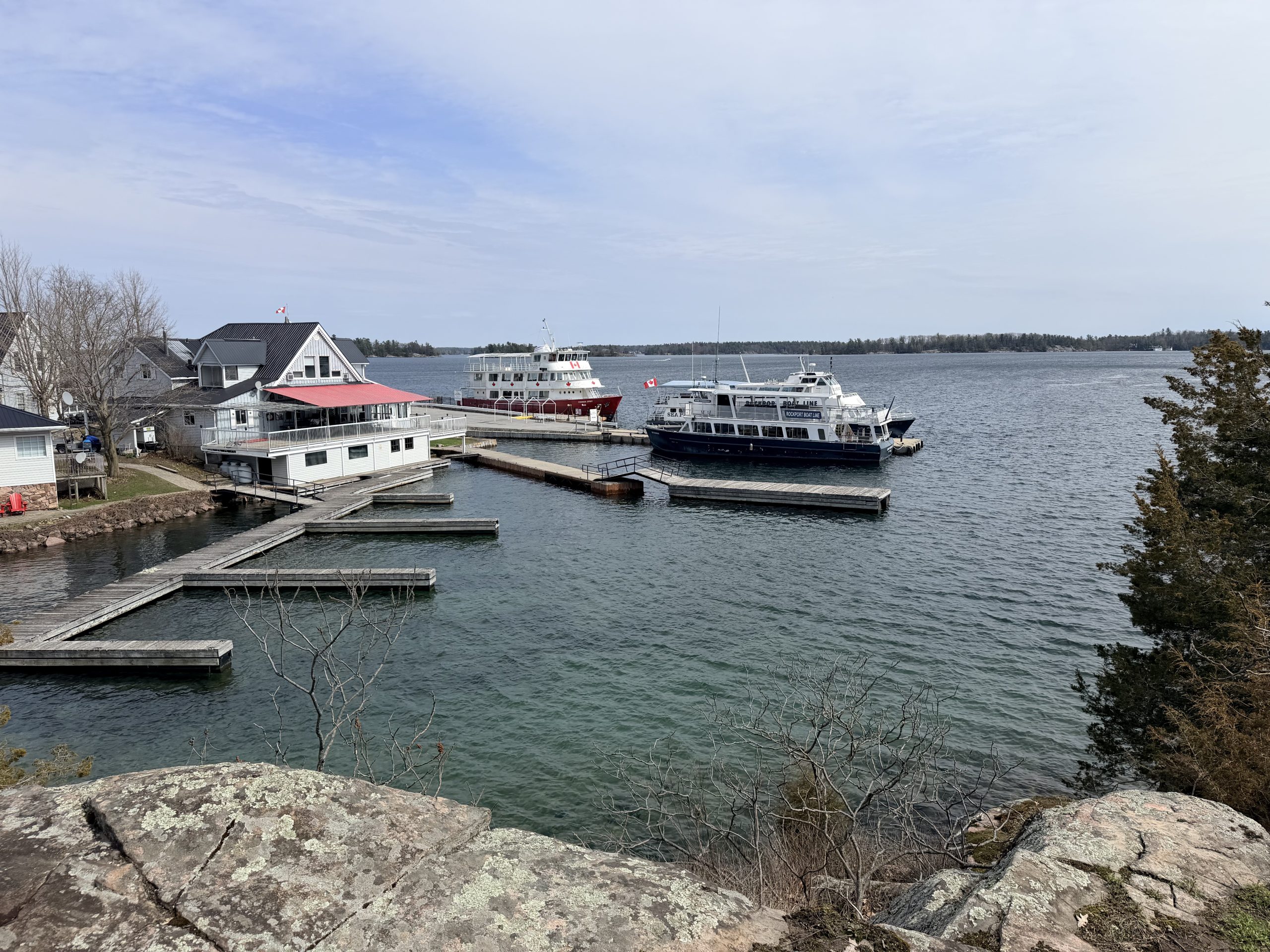
Rockport, Ont.
Why this region is often overlooked
The Riverlands is often treated as a corridor rather than a destination. It sits on familiar routes between Toronto, Montréal, and Ottawa, and many travellers pass through with their eyes on what comes next.
Even when people do stop, attention is often pulled toward the headline names nearby. A food focused trip in Montréal. A long weekend in Toronto. A historic stroll in Kingston. A quick city reset in Ottawa. And in this region, two of Ontario’s most recognisable water experiences can quietly become the entire plan: the 1000 Islands and the Rideau Canal.
Those places deserve the attention they get. But they also create a pattern. Travellers arrive for a signature view, a cruise, a lock, a shoreline photo, and then move on. The result is that the places in between are experienced in glimpses rather than understood as a whole.
Travellers expect a headline attraction, and miss the quieter experiences that make this place worth staying for.
Travellers look for spectacle instead of texture.
They search for landmarks instead of stories.
They leave before the region has had time to reveal itself.
And yet this is a landscape shaped by water in ways that go beyond scenery. The Riverlands sits between two areas recognised by UNESCO for their cultural and ecological significance: the Rideau Canal, and the Frontenac Arch Biosphere. These designations point to continuity, not just attraction. They reflect centuries of movement, settlement, and stewardship.
Still, much of what lies here is not designed to impress at first glance. It is meant to unfold. Its value is found in conversation rather than crowds, in return visits rather than checklists, and in small places that quietly hold the threads that connect it all.
Why this matters now
Travel is changing.
More travellers are seeking places that feel grounded, personal, and human. They are drawn to regions where food reflects landscape, where villages still function as communities, and where time feels expansive rather than compressed.
The Riverlands aligns naturally with these values.
Luxury here is not measured in size or show, but in depth. It is defined by access. Access to people who know their craft. Access to places that have not been flattened by mass tourism. Access to experiences that feel earned rather than packaged.
This is not accidental. It is cultural.
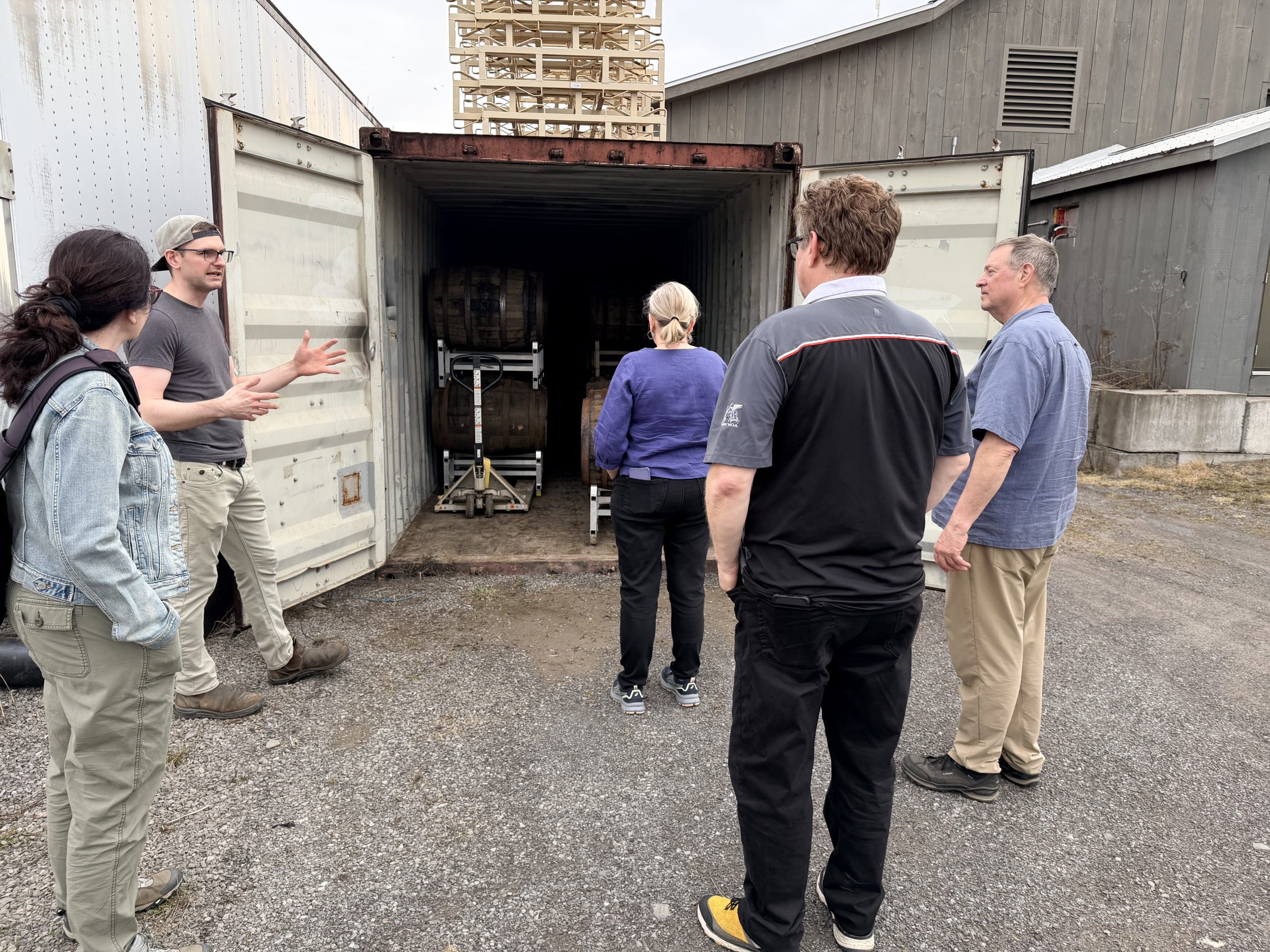
King’s Lock Craft Distillery, Johnstown, Ont.
The role of the Riverlands
The Riverlands exists to help travellers see this region clearly.
Not through surface-level recommendations, but through understanding.
Not through hype, but through context.
Not by telling people where to go, but by teaching them how to look.
Situated between the 1000 Islands and the Rideau Canal, the Riverlands is often defined by its waterways rather than the region they connect. This platform brings together the villages, waterways, producers, artisans, and stories that exist between those two icons and invites travellers to engage with them more thoughtfully.
If you are drawn to places that reward curiosity
If you value depth over density
If you believe the most memorable journeys are shaped by connection rather than consumption
You are already aligned with the spirit of this place.
The Riverlands does not compete for attention.
It offers something more enduring.
A region hiding in plain sight.