Villages, not Attractions
Understanding the Riverlands Through Its Small Places
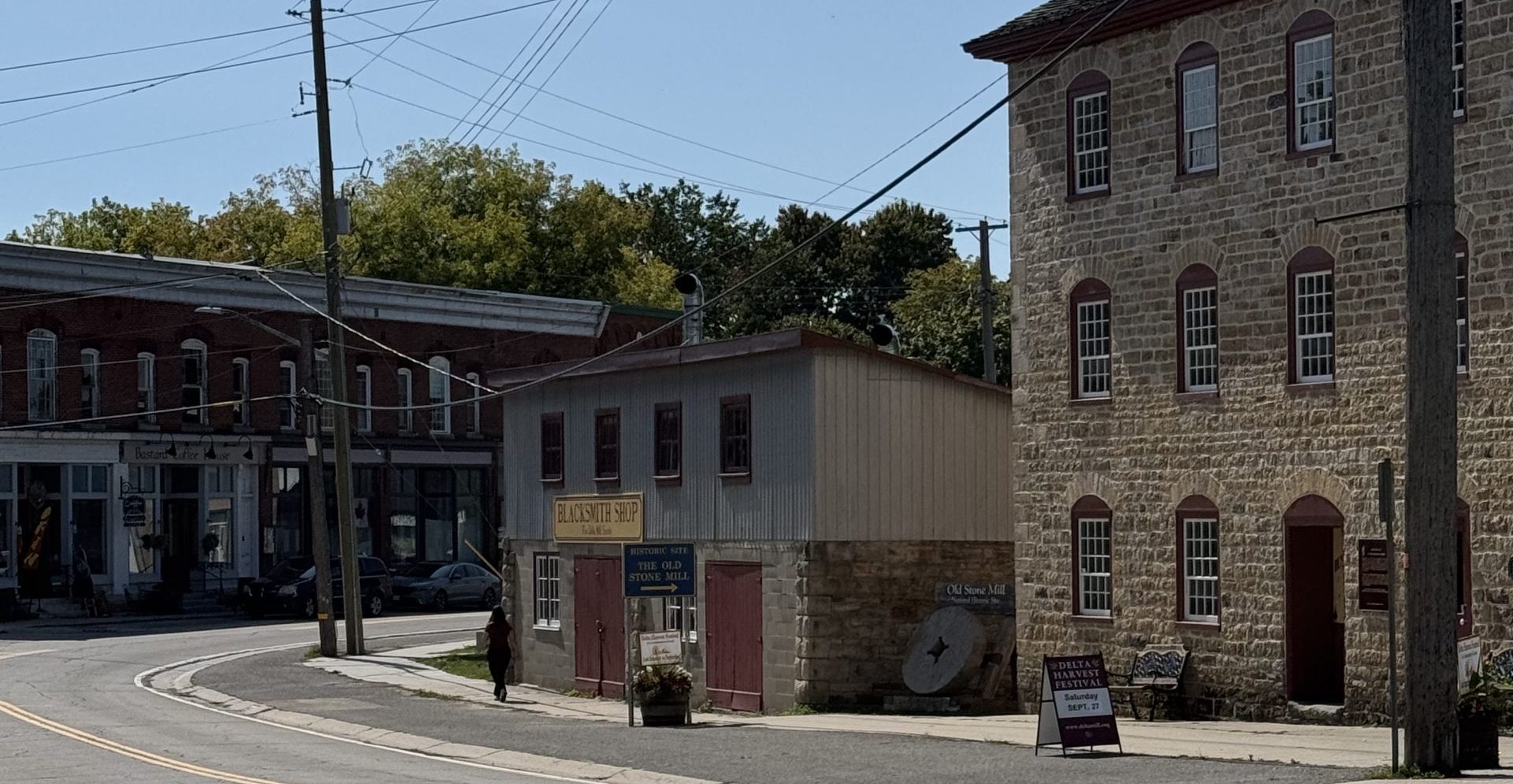
Delta, Ont.
In the Riverlands, meaning is not found in landmarks.
It is found in villages.
This distinction matters.
Most travellers are taught to understand a destination through landmarks, through things they can point to, photograph, and name: a lookout, a historic site, a signature stop. But the Riverlands does not yield itself this way. Here, the smallest places carry the greatest weight, and the experience is shaped less by what you see than by how long you stay.
To understand this region, you must abandon attraction-led thinking and learn to read villages as living systems.
Why villages matter here
Villages in the Riverlands are not curated stops. They are functioning places shaped by water, trade, agriculture, and daily life. They formed where water slowed, where routes were created, and where people were brought into proximity, sometimes by necessity, sometimes by design. That origin still governs how they feel today.
Each village plays a role. Some are shaped by industry, others by craft, others by hospitality or agriculture. None exist in isolation. Their character emerges through rhythm, not spectacle.
When villages are treated as brief pauses between highlights, their meaning disappears. When time is spent within them, on foot rather than behind a windshield, the region begins to reveal itself.
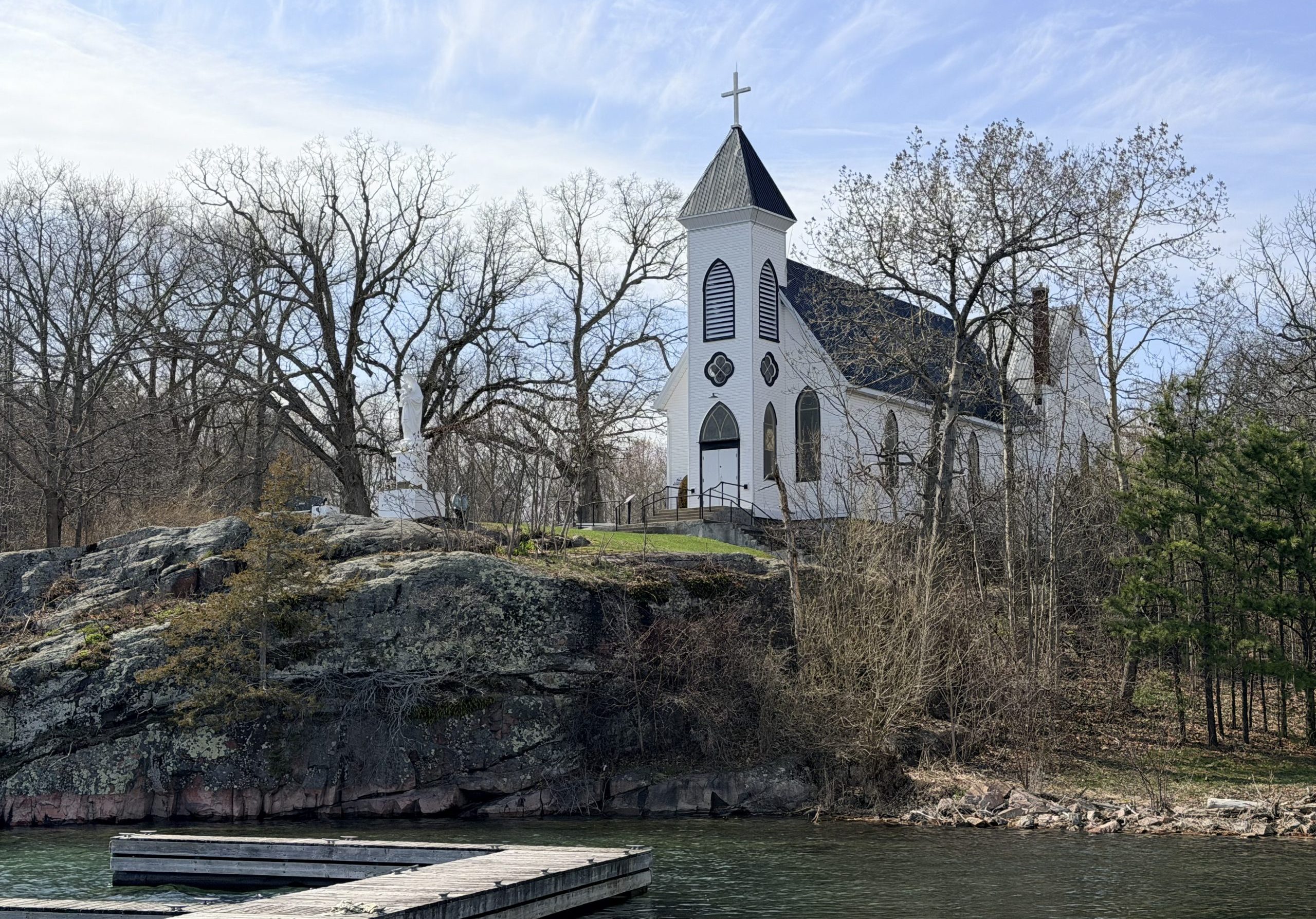
St. Brendan’s Church, Rockport, Ont.
The difference between passing through and being present
It is easy to pass through a village and believe you have seen it.
It is far harder, and far more rewarding, to experience it.
Presence looks like this.
A morning coffee taken slowly, where regulars greet one another by name.
A shopkeeper who tells a story, not just about their product, but why they are here.
A conversation that reveals how weather, water, and season still shape the day.
These moments do not announce themselves. They resist scheduling. They appear only when time is given rather than managed.
What the Riverlands offers becomes visible only when the pace of the visitor yields to the pace of the place.
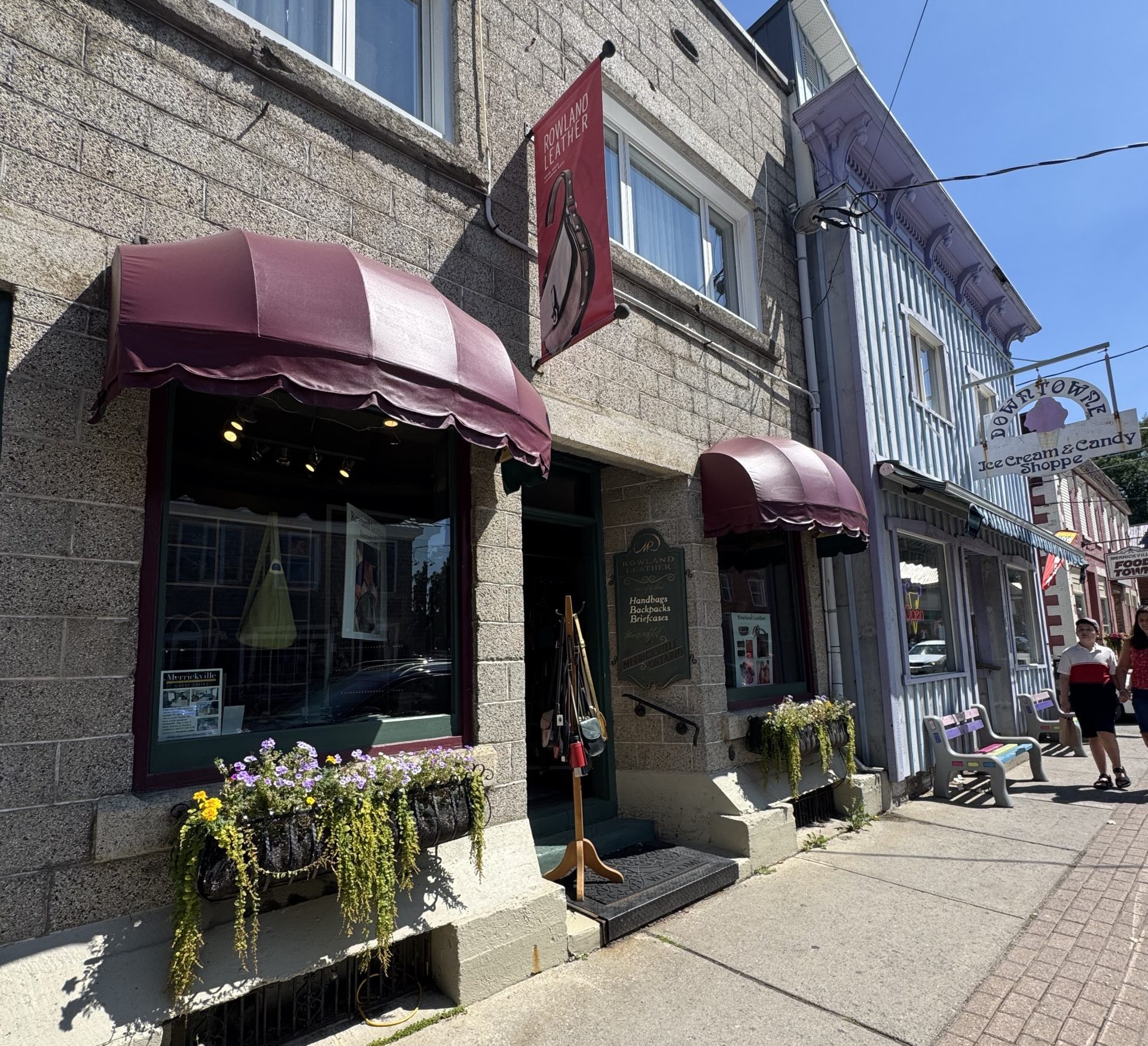
Merrickville, Ont.
Why attractions fail to explain this region
Attractions offer clarity. Villages offer complexity.
An attraction tells you what to look at.
A village depends on who helps you see it.
In practice, attraction-led itineraries in the Riverlands often move quickly between places like the Brockville Railway Tunnel, a 1000 Islands Boat Cruise, views of Boldt Castle from the water, and a stop at the Jones Falls Locks. These sites are meaningful, but when stitched together without time spent in the villages that surround them, they reduce Brockville, Gananoque, and Rideau Canal communities to departure points and photo pauses. The traveller sees the region’s landmarks, but never enters its daily life, never hears the stories that live there, and leaves with impressions rather than understanding.
This is why attraction-based itineraries fall flat in the Riverlands. They fragment the experience by prioritizing checklists and encouraging movement without context. What makes this region memorable is not only what is seen, but who gives it meaning: the shop owner who explains a building’s past, the innkeeper who points you down a side street, the grower, guide, or local historian who shares what is easy to miss.
The Riverlands opens up when there is time left for the unplanned, and when movement allows for conversation as much as discovery. When travel happens on foot rather than entirely from behind the wheel, connections begin to surface. What might seem quiet at first starts to reveal its texture, not through coverage, but through presence, local knowledge, and the people willing to share both.
It is in that complexity that the Riverlands is best understood.
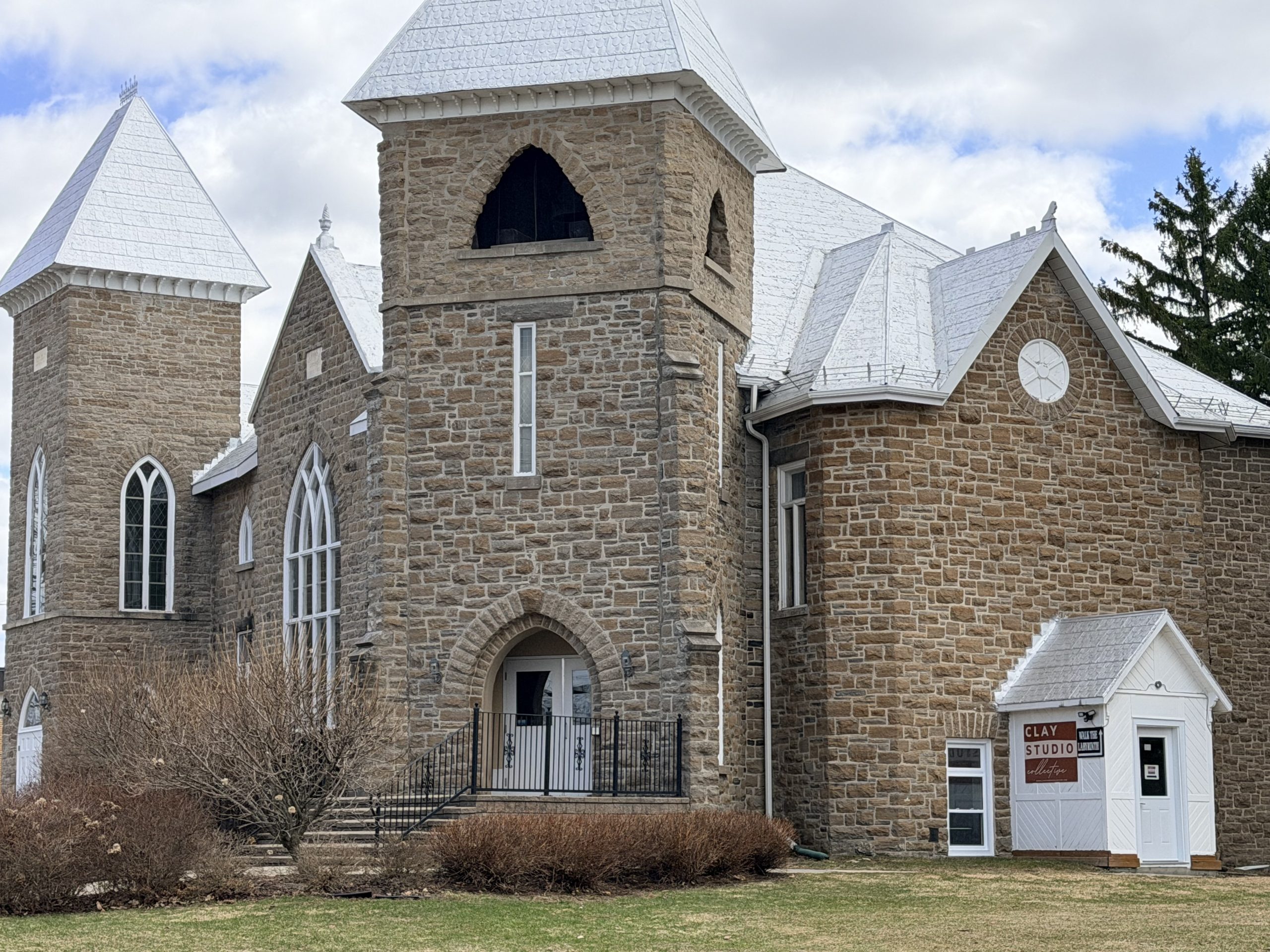
Athens United Church, Athens, Ont.
How villages connect the Riverlands
What makes the Riverlands cohesive is not a single centre, but a network.
Villages in the Riverlands are linked by water first, and by roads that followed. Some existed because the river allowed it. Others emerged because routes were deliberately carved through the land, drawing people, trade, and labour into proximity. A producer in one place supplies a kitchen in another. A maker works within the same watershed that shapes nearby farms. Stories move between villages the way water does here, steadily, altered by each bend along the way.
Seen this way, the region becomes legible.
Not as a collection of stops, but as a system shaped by movement and dependence.
The Riverlands itself is the destination. What you come here to see is not found in one place. It unfolds across villages, and when connection is felt, the experience is gifted many times over.
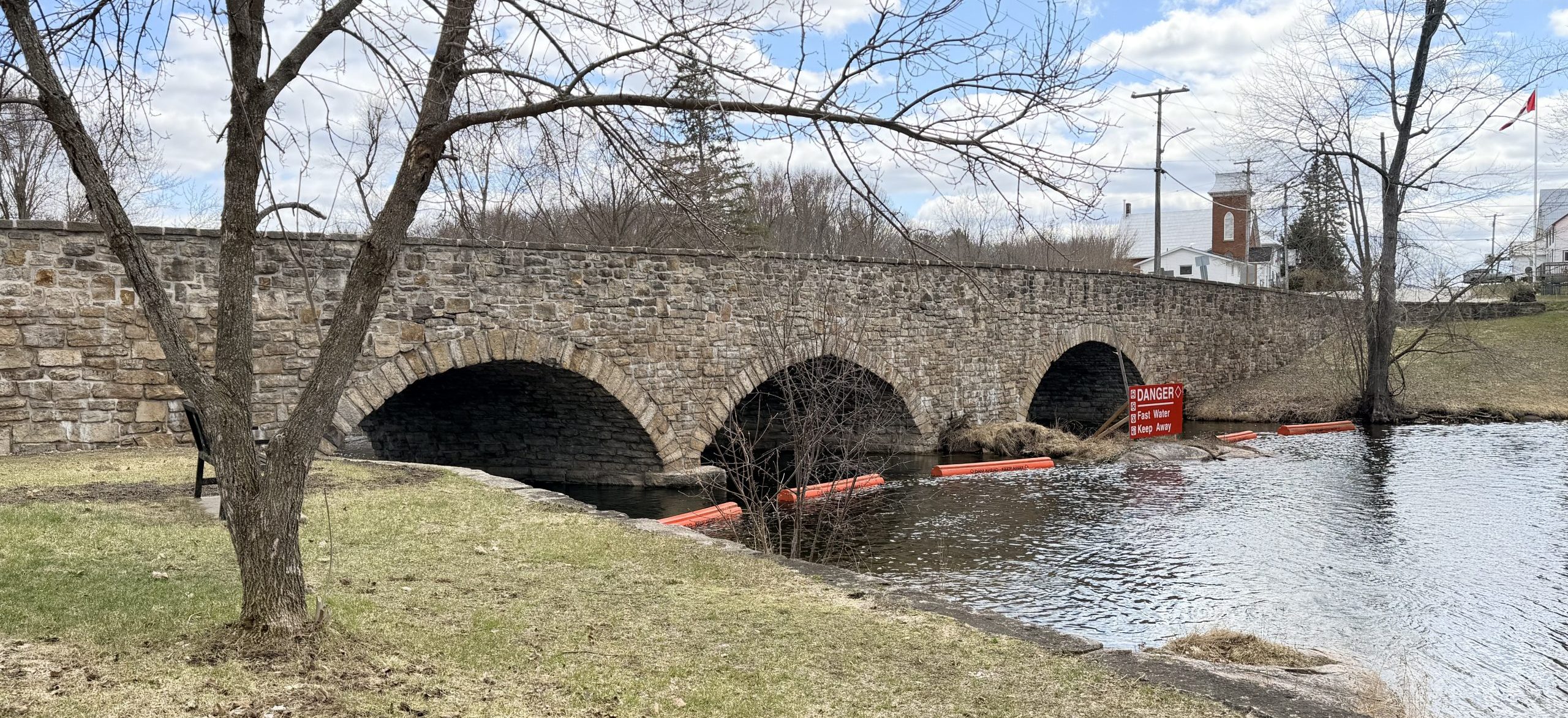
Lyndhurst Bridge, Lyndhurst, Ont.
The luxury of small places
For discerning travellers, elusive, quiet places offer something increasingly rare.
Privacy.
Authenticity.
Access.
There is a quiet confidence to places that do not need to perform. In the Riverlands, luxury is not expressed through scale or spectacle, but through proximity. Being close to the source. Knowing who made something. Understanding where it came from. Exclusivity and intimacy emerge naturally, not because they are withheld, but because they are personal.
This is possible because places remain small enough for relationships to matter.
A meal carries more meaning when you know where it comes from.
A purchase holds weight when you know who made it.
A visit lingers when it feels personal rather than transactional.
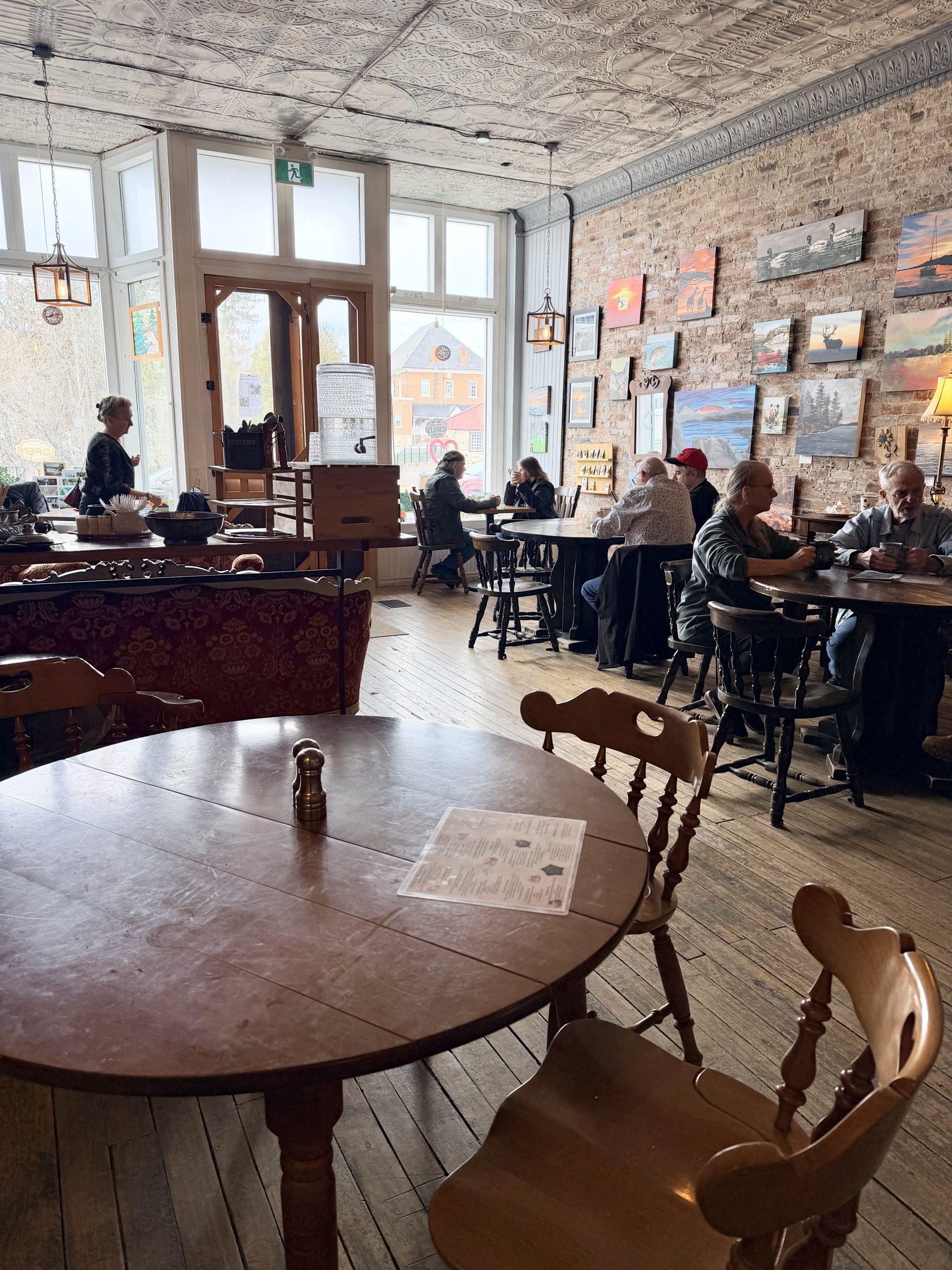
Bastard Coffee House, Delta, Ont.
In the Riverlands, villages are not supporting characters.
They are the story.
Time spent here does not register as a series of highlights. It settles more slowly, as familiarity. A sense of how the place works, and how its parts relate.
That is the difference between seeing a place and knowing it.