
How to Travel the Riverlands
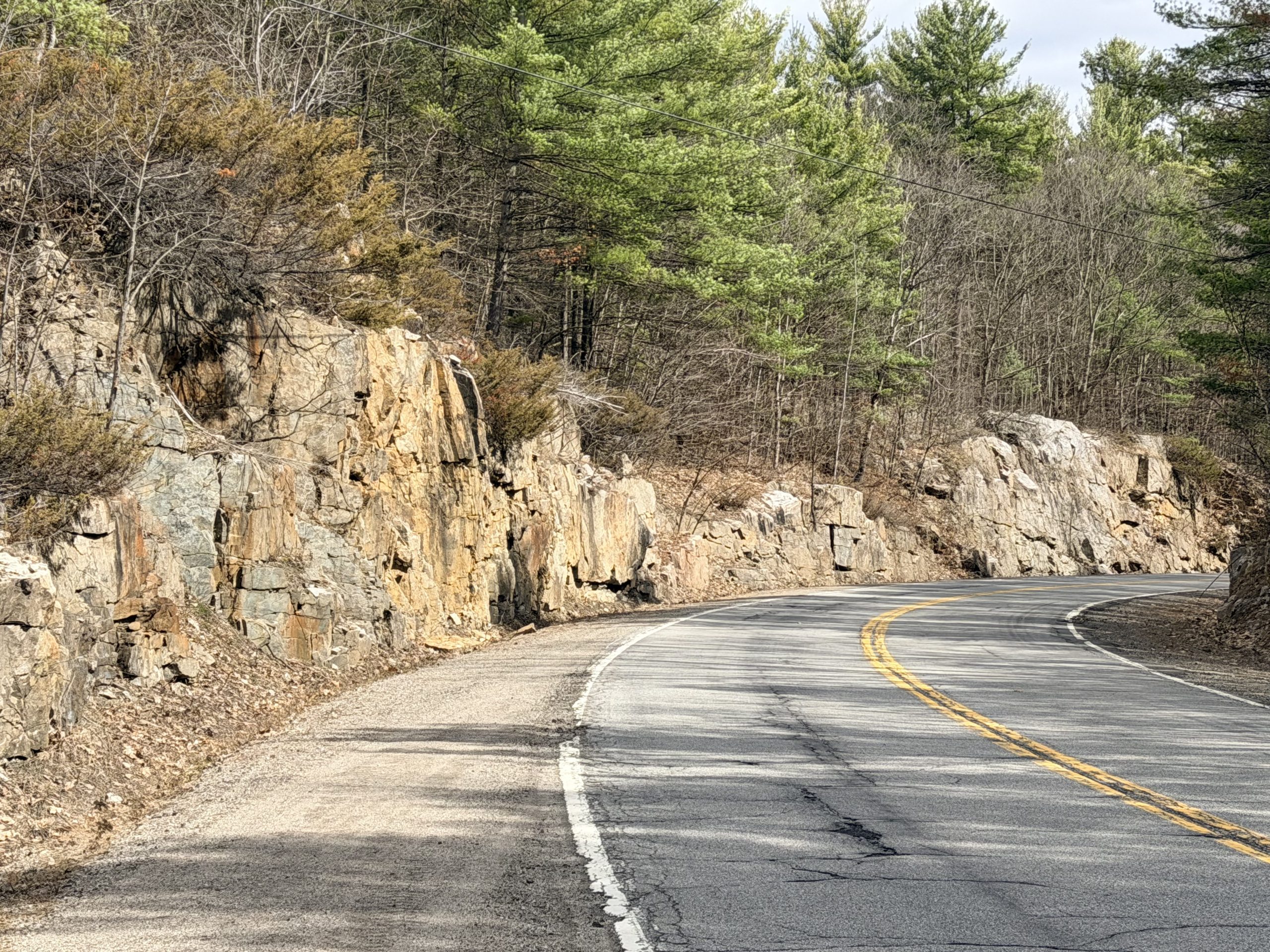
A First-Time Visitor’s Guide to Seeing What Others Miss
There is nothing difficult about visiting the Riverlands.
But there is a right way to experience it.
This is not a region that reveals itself through highlights, checklists, or efficiency. It rewards a different approach, one shaped by pace, curiosity, and attention. Travellers who understand this leave feeling connected. Those who do not often leave sensing that something important remained just out of reach.
This guide exists to help you recognise the difference.
Start by adjusting your expectations
The Riverlands is not about fitting as much as possible into a short amount of time. It is about allowing space for moments to unfold naturally.
Here, the most meaningful experiences are rarely the loudest or the most obvious. They emerge through conversation, in unplanned detours, and in places that do not announce their significance.
Arrive looking for a single must-see attraction, and you may feel underwhelmed.
Arrive open to sequence, rhythm, and story, and the region begins to reveal itself.
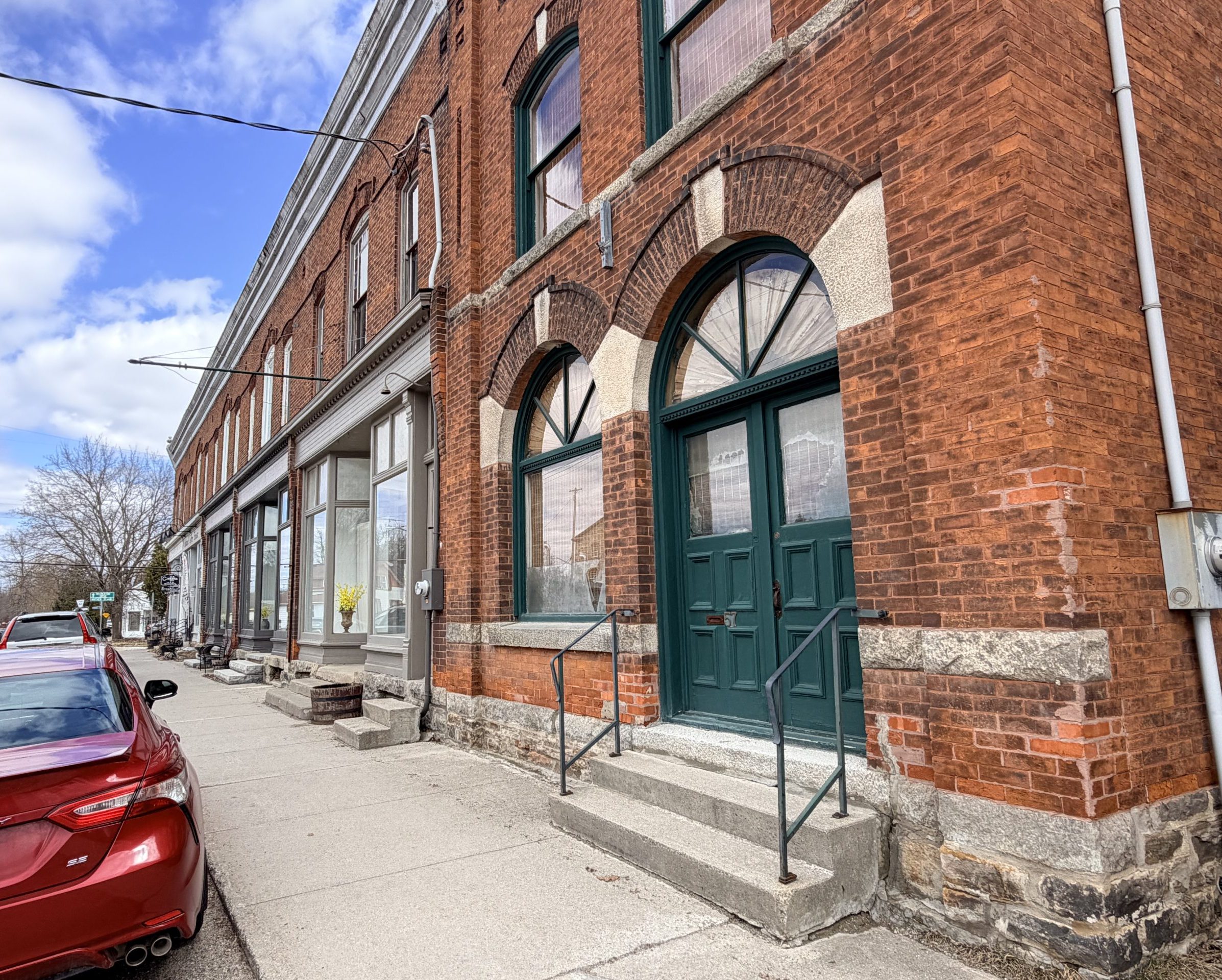
Delta, Ont.
Choose a home base, then explore outward
The Riverlands is best experienced from a single home base rather than through constant relocation. Distances are short, but experiences are layered. Staying in one place allows you to move through the region with ease rather than urgency.
Villages are connected by rural roads, waterways, and working landscapes. What appears close on a map can feel very different once you are on the ground.
For orientation, this map highlights common perimeter bases travellers use as a starting point before exploring inward through the Riverlands.
Think in loops rather than lines.
Think in days rather than stops.
Any of these bases works equally well. What matters is choosing one and allowing the region to reveal itself gradually, with depth rather than distance. This approach creates continuity and leaves room for discovery.
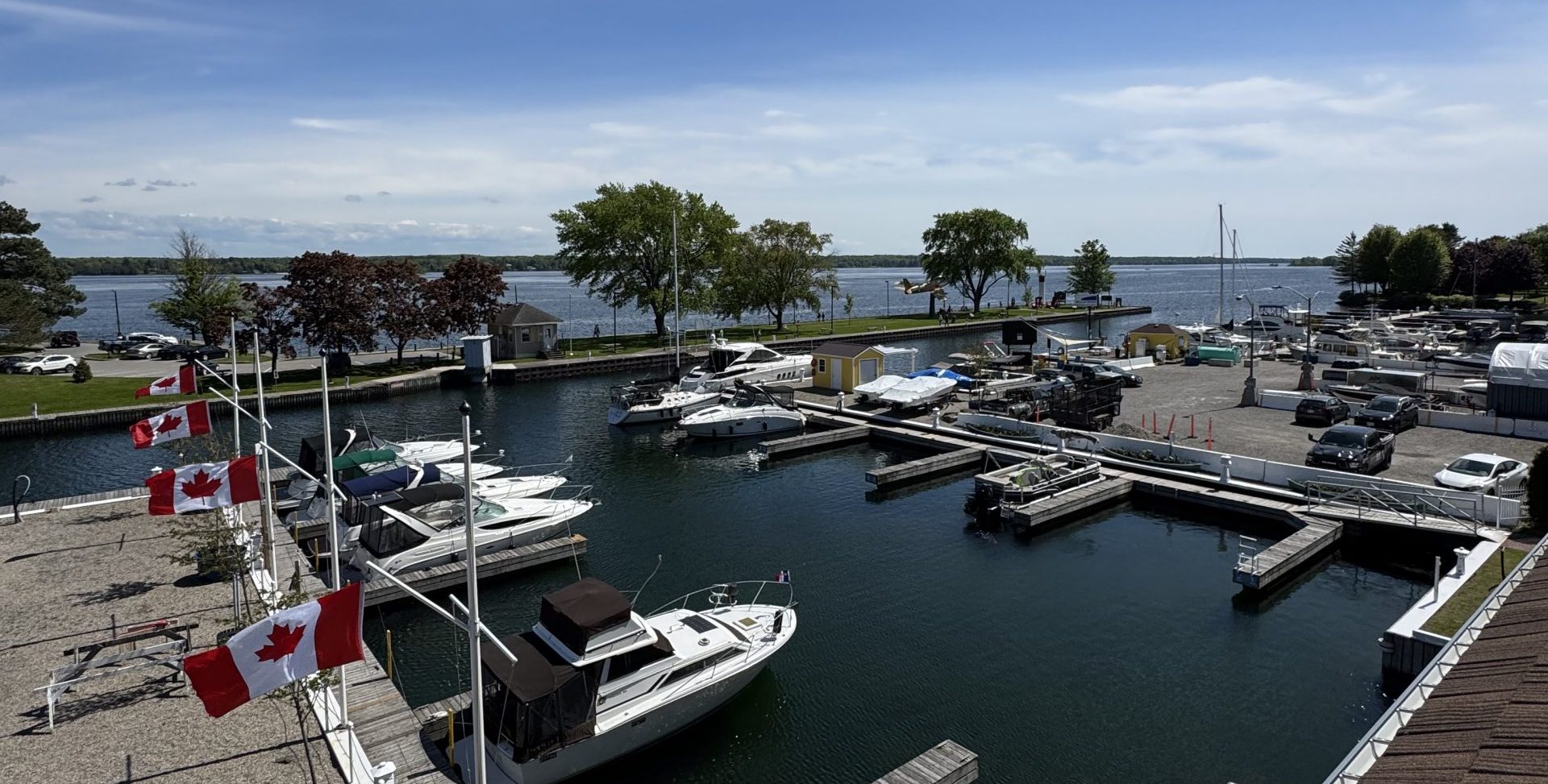
Brockville, Ont.
Slow down to experience scale
The Riverlands is not a large region, but it is a deep one.
Moving through it too quickly compresses the experience. Slowing your pace allows it to expand.
Villages here are meant to be walked, not skimmed. Roads taken without hurry. Meals lingered over.
When time is allowed to stretch, details begin to surface. How a village functions beyond its main street. How land shapes what is grown, made, and shared. You may find yourself in places where time matters less.This is where the region begins to feel less observed and more known.
Prioritise people over places
What defines the Riverlands is not only where you go, but who you encounter along the way.
You will encounter producers and people whose work, stories, and presence shape the Riverlands in lasting ways.
Artisans, producers, and makers are not secondary experiences here. They are cultural anchors. Their work is shaped by land, season, and community, and taking time to engage with the people behind what you taste, see, and use shifts the experience from passive to personal.
A single conversation can offer more insight than a full itinerary.
A shared story often carries more meaning than a photograph.
Travelling this way requires attentiveness rather than scheduling. Openness rather than optimisation.
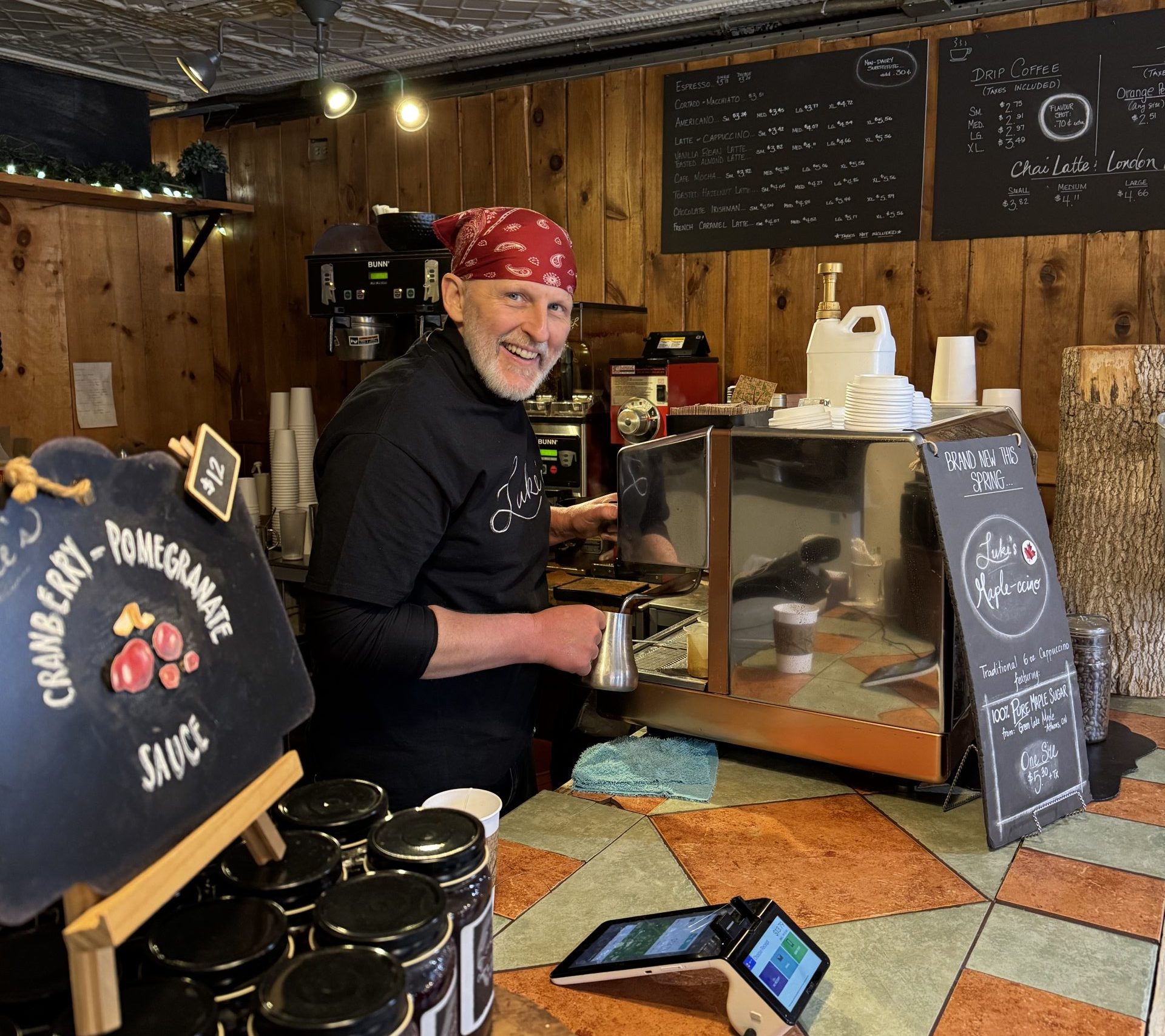
Luke’s European Style Market, Athens, Ont.
Let go of the checklist
One of the most common missteps first-time visitors make is approaching the Riverlands as a checklist.
This region does not reveal itself through completion. It asks for time, return, and attention. Knowing when to stop for the day. Knowing when to return rather than push on. Understanding that depth comes from familiarity as much as discovery.
Lingering is not lost time here. Repeating a place is not redundancy.
Leaving something unseen is not a failure.
It is an invitation to return.
A different way of travelling
Travelling the Riverlands properly is not about doing more.
It is about noticing more.
Those who move through the region with patience, curiosity, and respect often leave with a sense of familiarity rather than completion.
This is not a place to conquer.
It is a place to understand.
And once you do, it has a way of calling you back.